
Top Reasons to Choose a Mitsubishi Mini Split AC for Your Home Comfort
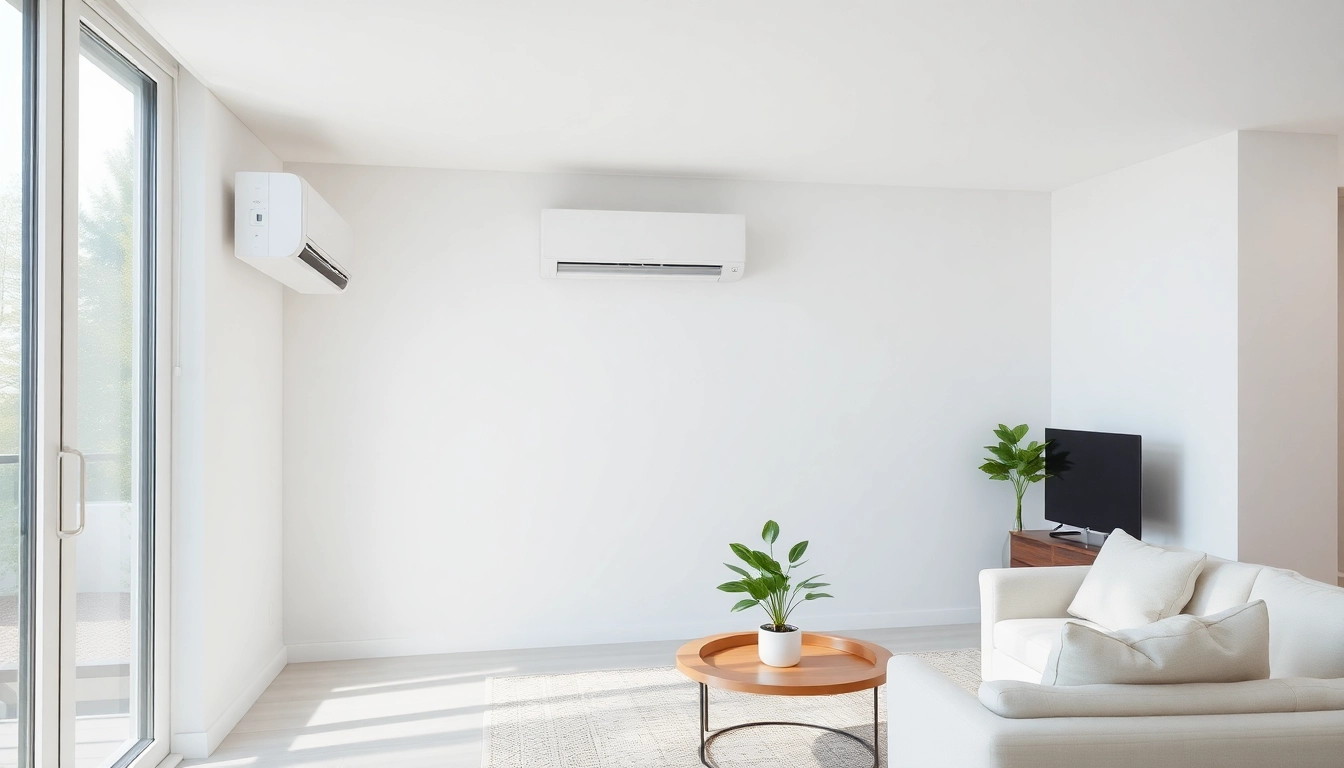
When it comes to maintaining a comfortable indoor environment, few technologies have proven as effective as the Mitsubishi mini split AC systems. These ductless units not only provide intuitive heating and cooling solutions but have also become a primary choice for residential and commercial spaces alike. With the modern homeowner’s demand for energy efficiency and flexible climate control, mitsubishi mini split ac systems fit perfectly into the equation. In this extensive guide, we will explore the intricacies of mini split technology, the advantages they provide, and how to select and maintain the perfect system for your specific needs.
Understanding Mitsubishi Mini Split AC Technology
What is a Mitsubishi Mini Split AC?
A Mitsubishi mini split AC is a type of ductless air conditioning system that consists of an outdoor unit and one or more indoor units. Unlike traditional HVAC systems that require extensive ductwork, mini splits facilitate direct temperature control in individual rooms or zones. They are particularly advantageous in spaces where ducts are impractical or impossible to install. This flexibility makes Mitsubishi mini splits a popular choice among homeowners seeking efficient climate control solutions.
How Does it Work?
At its core, a Mitsubishi mini split operates using a refrigeration cycle to transfer heat from one location to another. The outdoor unit contains the compressor and condenser, which convert refrigerant from a gas to a liquid and vice versa. The indoor units house air handlers that circulate conditioned air throughout the space. The system can either heat or cool based on the desired temperature settings, making it versatile for use in various climates.
Benefits of Ductless Systems
Mitsubishi mini split systems offer numerous benefits over traditional HVAC units:
- Energy Efficiency: Mini splits boast high SEER (Seasonal Energy Efficiency Ratio) ratings, ensuring lower energy consumption compared to conventional systems.
- Enhanced Comfort: By allowing individual room control, these units prevent temperature fluctuations, ensuring consistent comfort throughout the home.
- Installation Flexibility: Ductless systems can be easily installed with minimal invasive work, making them ideal for retrofits or new constructions.
- Quiet Operation: Mitsubishi mini splits are typically quieter than traditional window units or HVAC systems, leading to less disturbance in living spaces.
- Improved Air Quality: Ductless systems eliminate the need for ducts, reducing the presence of dust and allergens in the indoor air.
Key Features of Mitsubishi Mini Split AC Models
Energy Efficiency Ratings
When choosing a Mitsubishi mini split AC, the energy efficiency rating is crucial. Many models are designed with high SEER ratings, which can range anywhere from 13 to above 20. High SEER ratings indicate better efficiency, which translates to reduced electricity bills. Additionally, some units also earn the ENERGY STAR certification, signaling superior energy performance.
Noise Levels and Comfort
Comfort is not solely reliant on temperature; noise levels play a vital role in the overall experience. Mitsubishi mini splits are designed to operate at low decibel levels, allowing quiet functioning even when running at peak capacity. Indoor units can operate as quietly as 19 decibels—equivalent to a whisper—ensuring a peaceful indoor environment.
Smart Technology Integration
Many Mitsubishi mini split models come equipped with smart technology features. Homeowners can integrate their systems with smart home devices, allowing for remote control of temperature settings via smartphone or voice commands. This added convenience not only enhances user experience but also optimizes energy usage by allowing precise control over when and how much the system operates.
Installation Process for Mitsubishi Mini Split AC
Choosing the Right Location
Location is critical for effective installation and performance of a Mitsubishi mini split AC. The outdoor unit must be positioned in a well-ventilated area, free from obstructions that could impede airflow. Indoor units should be mounted high on walls for optimal air distribution, particularly in larger spaces.
Tools and Materials Needed
Before initiating the installation, ensure you have the following tools and materials on hand:
- Total installation kit (including refrigerant lines, drain lines, etc.)
- Drill and drill bits
- PVC pipe cutter
- Level
- Line set cover
- Electrical tools for wiring connections
Step-by-Step Installation Guide
Installing a Mitsubishi mini split AC involves several steps:
- Install the Indoor Unit: Select a mounting location and secure the indoor unit to the wall bracket.
- Install the Outdoor Unit: Place the outdoor unit on a firm base or bracket, ensuring it is level.
- Connect Refrigerant Lines: Carefully run refrigerant lines and connect them between indoor and outdoor units.
- Electrical Wiring: Connect the electrical supply from the outdoor unit to the indoor unit as per the manufacturer’s guidelines.
- Test the System: Once all connections are made, test the system to ensure proper operation and check for any refrigerant leaks.
Maintenance Best Practices for Mitsubishi Mini Split AC
Regular Cleaning and Care
To keep your Mitsubishi mini split AC in peak condition, regular maintenance is essential. This includes cleaning filters every month and inspecting the outdoor unit for debris or obstructions. Keeping the indoor unit clean not only promotes efficient airflow but also extends the system’s lifespan.
Troubleshooting Common Issues
Common problems include temperature inconsistencies, unusual noises, or leaks. If you encounter these issues, check your filter for dirt, ensure that the outdoor unit is unobstructed, and confirm that all electrical connections are secure. Understanding basic troubleshooting can help reduce repair costs and downtime.
When to Call a Professional
Although many maintenance tasks can be handled by homeowners, professional intervention may be necessary for complex issues, such as refrigerant recharging or system setup. If equipment shows signs of malfunction that you cannot address, contacting a certified HVAC technician is advisable.
Comparative Analysis of Mitsubishi Mini Split ACs
Popular Models Overview
Mitsubishi offers a variety of mini split AC models to meet diverse needs, ranging from single-zone systems for smaller homes to multi-zone models capable of servicing larger spaces. Each model caters to specific capacities and features, making it essential to assess your unique requirements before selecting a unit.
Price vs. Performance Evaluation
Investing in a Mitsubishi mini split AC can appear costlier at the outset compared to traditional systems; however, ongoing operational costs are significantly lower due to energy efficiency. Evaluating the initial investment against potential savings over time can highlight the long-term value associated with ductless mini-split systems.
Customer Reviews and Experiences
Customer feedback generally indicates high satisfaction levels with Mitsubishi mini split systems. Users appreciate their reliability, energy efficiency, and the ease of controlling specific zones. Reading real-world experiences can further aid in making a well-informed decision.
Frequently Asked Questions
What size Mitsubishi mini split AC do I need?
The size required depends on the square footage of the room and the local climate. A BTU calculator can help determine the optimal capacity needed for efficient cooling or heating.
How often should I clean the filters?
It is recommended to clean the filters at least once a month for optimal airflow and efficiency. Regular cleaning prevents dust buildup and improves air quality.
Can I install a Mitsubishi mini split AC myself?
While DIY installations are possible, hiring a professional ensures proper setup, adherence to local codes, and optimal system performance.
How long does a Mitsubishi mini split AC last?
With proper maintenance, a Mitsubishi mini split can last up to 20 years, making it a durable and effective long-term solution for climate control.
Are Mitsubishi mini splits efficient in winter?
Yes, many Mitsubishi models are designed to provide efficient heating even in low outdoor temperatures, making them suitable for winter use.