
Top Cities in Asia: A Comprehensive Insight into Urban Life
Understanding the Cities in Asia
Overview of Major Asian Cities
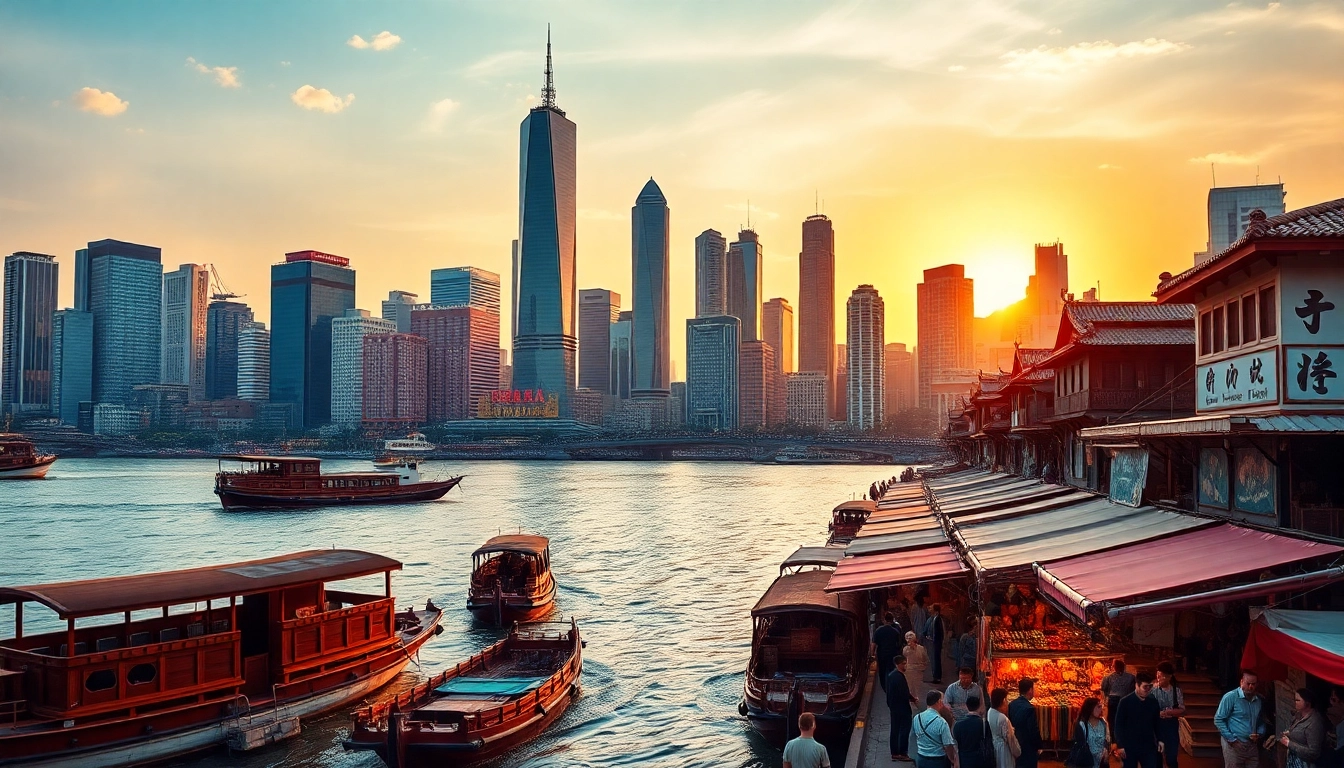
Asia is home to some of the most populous and dynamic cities in the world. With sprawling metropolitan areas, vibrant cultures, and a plethora of economic opportunities, the cities in Asia are a focal point for urban development, tourism, and commerce. For instance, cities like Tokyo, Shanghai, and Delhi not only rank among the top cities in the world by population but also feature significant cultural and historical landmarks. Cities in Asia are characterized by a blend of modern skyscrapers and age-old traditions, making them fascinating destinations for visitors and residents alike.
Geographic Distribution of Cities in Asia
Asia’s geographic diversity significantly influences its urban environments. Major cities are distributed across various regions, including East Asia, Southeast Asia, South Asia, and Central Asia. For example, the coastal cities such as Hong Kong and Tokyo benefit from trade and maritime industries, while inland cities like Beijing and Delhi experience different economic dynamics. Furthermore, geographic features such as mountains and rivers have historically shaped settlement patterns, resulting in uniquely developed cities with distinct identities.
Historical Context of Urban Development in Asia
Urban development in Asia has a rich history dating back thousands of years. Cities like Varanasi in India and Xi’an in China have been inhabited for millennia, evolving through various cultural, political, and social changes. The impact of colonialism, rapid industrialization, and globalization has also greatly influenced the urban landscapes we witness today. A combination of historical importance and contemporary growth makes studying the evolution of these urban centers essential for understanding their current status and future trajectory.
Demographics and Culture of Cities in Asia
Population Statistics and Trends
Asia houses a staggering portion of the world’s population, with cities like Tokyo boasting populations exceeding 37 million. The demographic trends show significant urban migration, particularly in emerging economies such as India and Indonesia as rural populations flock to urban areas for better opportunities. This urbanization is reshaping cities and prompting the need for improved infrastructure, housing, and public services.
Cultural Diversity and Festivals
The cities in Asia are incredible melting pots of cultures, where traditional practices coexist with modern lifestyles. Festivals such as Diwali in Delhi, the Mid-Autumn Festival in Beijing, and Songkran in Bangkok highlight the rich cultural tapestry, as they draw both locals and tourists into grand celebrations filled with food, music, and art. The varied cultures reflect the inherently diverse nature of the continent, which is home to hundreds of ethnic groups and languages.
Language and Communication in Asian Urban Centers
Language plays a pivotal role in the rich cultural milieu of Asian cities. While national languages dominate, many cities exhibit multilingualism, reflecting the presence of various ethnic communities. For instance, in Singapore, besides English, Mandarin, Malay, and Tamil are commonly spoken. Effective communication in this context is crucial for commerce and social integration, as businesses and governments must navigate this linguistic diversity to engage effectively with the population.
Economic Significance of Cities in Asia
Leading Industries and Job Markets
The economic landscape of cities in Asia is incredibly dynamic, with key industries ranging from technology and manufacturing to finance and tourism. Cities like Shenzhen have emerged as technology hubs, driven by innovation and aggressive investment. Similarly, cities like Mumbai are known for their financial services, which significantly contribute to the national economy. Diverse job markets are evolving, leading to competitive advantages for specific regions.
Investment and Economic Growth in Urban Areas
As urban populations grow, so do the opportunities for investment in infrastructure, housing, and services. Governments and private sectors are increasingly focusing on urban sustainability while attracting foreign direct investment (FDI). Cities like Singapore and Hong Kong exemplify successful models of integrating economic growth with sustainable urban planning. However, striking the balance between growth and environmental sustainability remains an ongoing challenge.
Challenges and Opportunities in City Economies
Despite rapid growth, Asian urban centers face numerous challenges, including urban sprawl, traffic congestion, pollution, and inadequate public services. Nonetheless, these challenges present opportunities for innovative solutions, such as smart city technologies and sustainable urban planning initiatives. By investing in these areas, cities can improve quality of life while also driving economic performance.
Tourism and Attractions in Cities in Asia
Top Tourist Destinations Across Asia
Asia is filled with an array of tourist attractions that cater to all passions, ranging from historical sites to nature escapades. Major cities host attractions like the Great Wall of China in Beijing, the temples of Angkor in Siem Reap, and the bustling street markets of Bangkok. These destinations not only contribute to local economies but also promote cross-cultural exchanges and understanding.
Local Cuisine and Culinary Experiences
Food is an integral part of the cultural identity in Asian cities. Each location offers unique culinary delights shaped by local ingredients and historical influences. For instance, the street food scene in Bangkok, the seafood in Tokyo, and the spice-laden dishes of Delhi attract food enthusiasts from around the world. Culinary tourism has become a significant sector, enhancing the local economy while celebrating cultural heritage.
Historical and Cultural Landmarks to Visit
The rich history of cities in Asia is reflected in their numerous landmarks. Structures like the Taj Mahal in India, the Petronas Towers in Kuala Lumpur, and the Forbidden City in Beijing are significant not only for their architectural grandeur but also for their historical narratives. These sites frequently become focal points for tourism, preserving the essence of the civilizations that built them.
Future Trends for Cities in Asia
Urbanization Challenges and Solutions
Rapid urbanization continues to present challenges, such as housing shortages, infrastructure overload, and environmental impacts. Addressing these issues requires an integrative approach involving public-private partnerships and innovative urban policies. Cities must invest in sustainable housing development and enhance public transportation systems while ensuring the preservation of green spaces.
Technological Advancements in City Planning
Technological advancements are reshaping the landscape of urban planning in Asia. Smart city initiatives, which incorporate IoT, big data, and AI, are enhancing city management and improving residents’ lives through efficient resource usage. This technological integration helps in addressing urban challenges while fostering sustainable environments conducive to growth.
Vision for Sustainable Development
With the growing awareness of environmental sustainability, cities in Asia are adopting comprehensive strategies aimed at reducing carbon footprints and promoting green living. Sustainable urban development encompasses renewable energy initiatives, waste management programs, and green building certifications. This vision not only aims for a better quality of life but also positions cities as global leaders in sustainability.
FAQs About Cities in Asia
What are the largest cities in Asia by population?
The largest cities include Tokyo, Delhi, and Shanghai, with populations of over 30 million residents each, offering diverse cultural experiences and economic opportunities.
Which city is known as the financial hub of Asia?
Hong Kong is often considered the financial hub of Asia, known for its robust economy, vibrant stock market, and numerous multinational corporations based there.
What are some popular tourist attractions in Asian cities?
Popular attractions include the Great Wall in Beijing, the Marina Bay Sands in Singapore, and the Shwedagon Pagoda in Yangon, attracting millions of visitors annually.
How do Asian cities approach urban sustainability?
Many Asian cities implement smart city initiatives focusing on waste management, renewable energy, and green public transportation to enhance sustainability and quality of life.
What cultural festivals are celebrated in Asia?
Asia boasts numerous cultural festivals such as Diwali in India, the Lantern Festival in China, and the Obon Festival in Japan, celebrating local traditions and attracting tourists.