
The Timeless Appeal of Audio Cassette: A Nostalgic Journey Through Sound
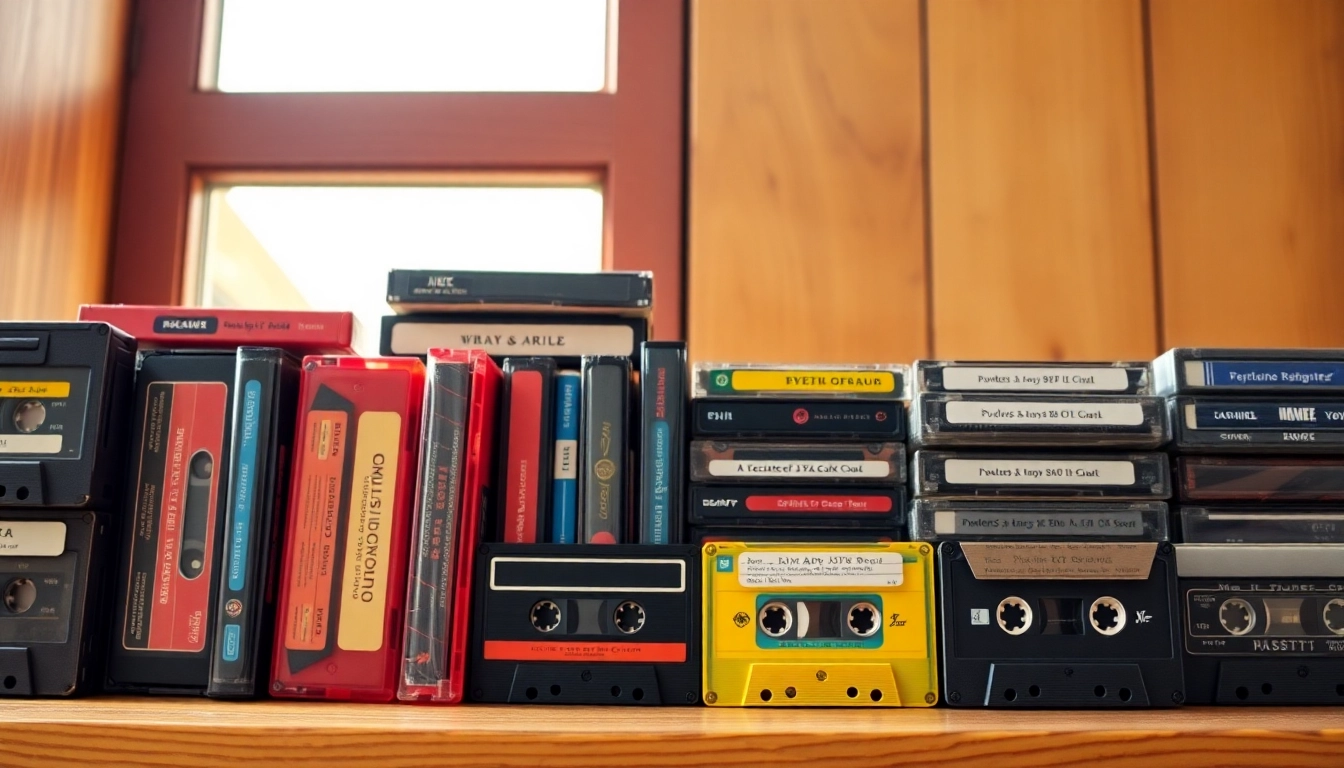
The History of the Audio Cassette
The Birth of the Audio Cassette Format
The audio cassette, officially known as the Compact Cassette, was first introduced in the early 1960s as a revolutionary way to record and play back sound. Its invention was directly associated with the desire to create a compact, portable recording format that anyone could use without the need for extensive knowledge of audio technology. The audio cassette utilized magnetic tape technology, which allowed easy recording, erasing, and re-recording of audio content. It effectively democratized sound recording, enabling people to create mixtapes and personal recordings at home, setting the stage for an entirely new cultural phenomenon.
Evolution Through the Decades
Throughout the 1970s and 1980s, the audio cassette became a staple in households and paved the way for personal audio consumption. With the invention of portable devices such as the cassette player and, later, the Walkman, consumers were empowered to listen to music on the go. This period marked a significant shift in how music was marketed and consumed; cassette tapes allowed for the widespread distribution of recorded music in a way that vinyl records could not. By the time the 1990s rolled around, the audio cassette had not only cemented its place in music culture but had also faced increasing competition from digital formats and CDs.
Cultural Impact on Music Consumption
The audio cassette’s cultural significance cannot be overstated. It was not just a means of audio playback; it represented a lifestyle choice for many. The mixtape became an essential form of personal expression, with individuals curating collections for romantic interests, friends, and personal enjoyment. The tactile nature of the cassette, combined with the ritual of recording and labeling, created an emotional bond between the listener and the music. In many ways, the audio cassette was not just a product but a cultural artifact that captured the essence of a generation.
Exploring Different Types of Audio Cassette
Standard vs. High Bias Audio Cassette
When exploring audio cassettes, one of the primary distinctions is between standard and high bias formulations. Standard bias tapes, commonly used in consumer applications, are designed for everyday listening. In contrast, high bias tapes offer improved fidelity and sound quality, as they can capture a broader frequency range, making them favored by sound professionals and audiophiles. High bias tapes usually have a slightly different chemical formulation, allowing them to record audio with enhanced clarity, which can significantly reduce background noise and distortion.
Understanding Cassette Tapes for Recording
In customization, many users opt for recording their audio on blank audio cassettes for various purposes, including mixing or creating unique collections. Understanding the different tape lengths—such as C30, C60, C90—can help users determine how much content they want to record. While a C30 tape is ideal for shorter recordings, a C90 allows for longer sessions. The recording quality will often depend on the tape’s bias, particularly if a user is looking to preserve audio fidelity in their recordings.
Blank Audio Cassette Variations
Today’s market offers a variety of blank audio cassettes, catering to different preferences and uses. These tapes come in multiple colors and formulations, allowing for artistic expression in presentation. Furthermore, vintage cassette enthusiasts often seek out older tapes due to their unique sound quality and nostalgic appeal. Collectors might also prioritize factors like tape construction, bias type, and tape length when selecting blank cassettes for high-fidelity reproduction.
How to Care for Your Audio Cassette Collection
Best Practices for Storage and Handling
Caring for your audio cassette collection involves understanding the preferred storage conditions. To extend your tapes’ lifespan, store them in a cool, dry space, away from direct sunlight and magnetic fields. It’s recommended to keep them upright in their original cases to prevent warping or potential damage. Regular checks on your collection for signs of wear, oxidization, or mold are crucial for preservation.
Cleaning Tips for Optimal Playback
To ensure the best playback quality, regularly clean the audio cassette players and the tapes themselves. A simple method includes using a soft, lint-free cloth to wipe the tape surface gently. For more thorough cleaning, professional cleaning kits can help maintain the tape heads and pathways. Dust accumulation can produce distortion during playback, so maintaining the cleanliness of both tapes and equipment is a vital part of audio cassette care.
Repairing vs. Replacing Old Tapes
As cassettes age, wear and tear can lead to issues like broken tape or damaged shells. While many collectors opt to repair old tapes using splicing tape or spool replacements, careful consideration is necessary. Repairing can allow for the retention of the original sound quality and content, but replacement is often the more straightforward option when durability is a priority. Deciding between repair or replacement will depend on personal preference, the tape’s value, and the sentimental attachment to the recordings.
The Resurgence of Audio Cassette in Modern Times
Why Vinyl Isn’t the Only Retro Comeback
In recent years, the audio cassette has experienced a surprising resurgence. While vinyl records have gained considerable popularity among audiophiles, cassettes are now being embraced for their unique characteristics, affordability, and nostalgic appeal. Old cassette formats have become trendy among younger generations who see them as retro collectibles. The revival manifests through reissues of classic albums and new releases from contemporary bands opting to press their music onto cassette as a tangible artifact rather than digital media alone.
Revival Among Collectors and New Artists
Many collectors and new artists are gravitating towards audio cassettes to establish a brand identity built on nostalgia and uniqueness. This resurgence has led to small independent labels producing new music on cassettes, tapping into a sense of authenticity and grassroots culture. For collectors, finding rare tapes or unique releases offers both investment potential and a medium that supports an analog lifestyle. Artists find that releasing music on cassette allows them to connect with fans on a different level, creating a tangible item to accompany the digital age.
Audio Cassette in the Digital Age
Despite the dominance of streaming services, the audio cassette holds its ground in the present era. Many music enthusiasts now pursue analog formats as a contrast to the relentless digital noise. The tactile nature of handling cassettes, along with their distinct sound quality, evokes a sense of nostalgia while offering an alternative to digitally consumed music. Combining DIY culture with modern music distribution allows fans and creators to embrace a hybrid of both traditional and contemporary ways of engaging with sound.
How to Build Your Own Audio Cassette Collection
Finding Rare and Vintage Cassette Tapes
As the audio cassette market expands, building a personal collection can be both exciting and rewarding. Scouring thrift shops, flea markets, and online marketplaces frequently reveals hidden gems. Additionally, joining communities focused on cassette collecting can provide access to valuable insights and available sales. Networking with collectors gives you access to unique tapes, often hard to find in mainstream outlets, providing you with opportunities to complete collections or discover new favorites.
Where to Buy Quality Audio Cassette
Quality audio cassettes are essential for any collector. Many specialty stores and online retailers offer both new and vintage cassettes. When purchasing, seek sellers that prioritize quality grading to ensure a standard playback experience. It can also be beneficial to review user comments on the stores or platforms to gauge the seller’s reliability and product authenticity. Remember to ask about return policies, in case the tapes do not meet your expectations.
Sharing Your Collection in the Community
Engagement within the cassette community enhances the joy of collecting. Sharing your collection through social media platforms or local meetups allows others to appreciate your passion while fostering dialogue about interests and discoveries. Documenting your collection can inspire new enthusiasts and provide a space for swapping, trading, or discussing tapes. Hosting listening parties or establishing a blog to share reviews or personal stories associated with your tapes can deepen your connection with music and other collectors.