
How to Choose the Best Fly Fishing Line for Your Rod
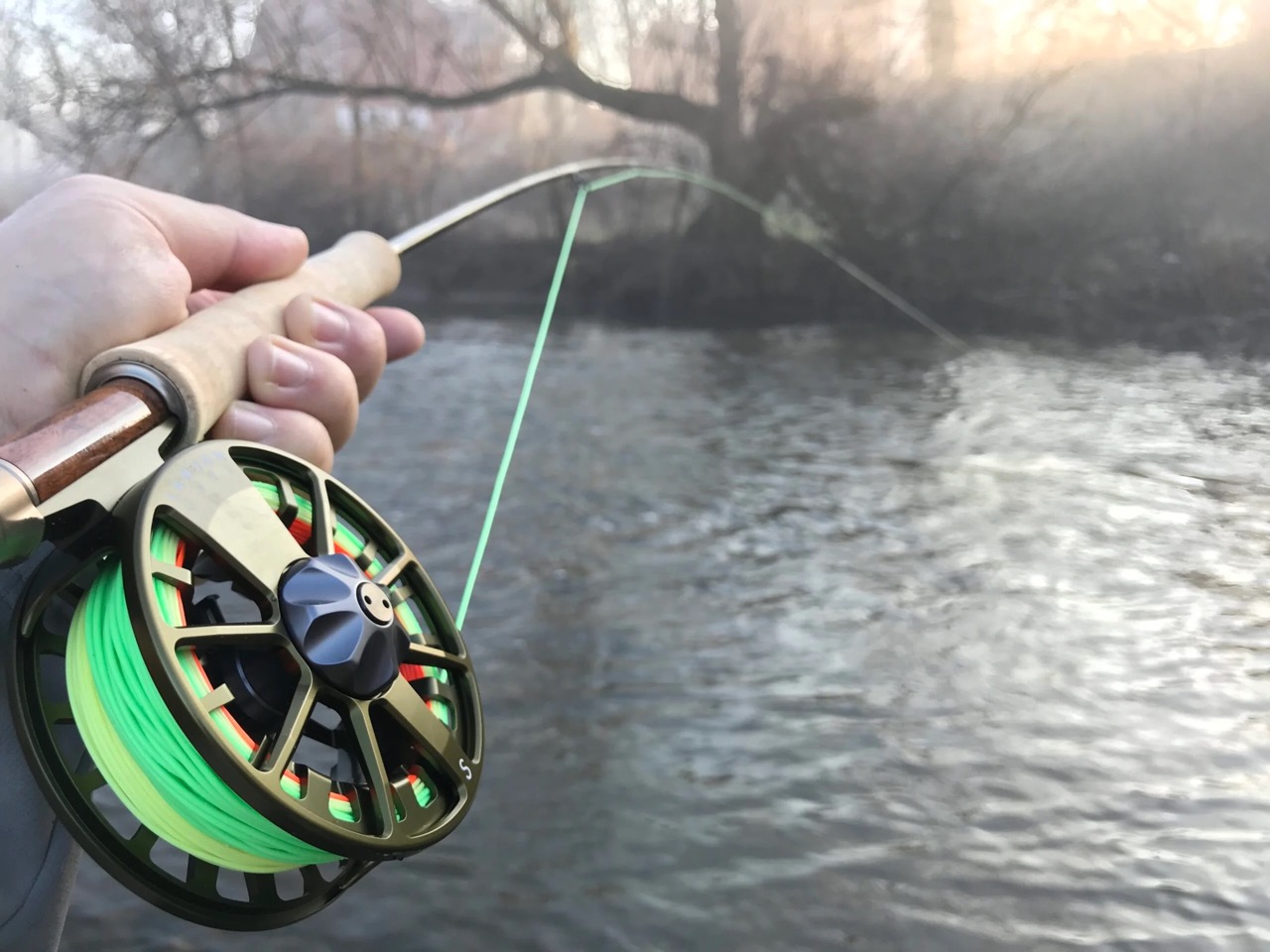
Fly fishing is an art that requires precision, skill, and the right equipment. Among all the gear, the Fly Fishing Line is one of the most critical components for a successful fishing experience. Choosing the perfect line can significantly impact your casting distance, accuracy, and overall enjoyment on the water. This guide will walk you through everything you need to know to select the best fly fishing line for your rod.
- Understanding the Importance of Fly Fishing Line
- Types of Fly Fishing Line
- Choosing the Right Weight for Your Fly Fishing Line
- Matching Fly Fishing Line with Rod and Reel
- Consider the Environment
- Understanding Line Taper and Its Impact
- Color Considerations
- Maintenance and Longevity
- Tips for Beginners
- Conclusion
Understanding the Importance of Fly Fishing Line
The Fly Fishing Line is not just a simple cord; it is designed to carry your fly to the target, control the drift, and help you manage the fish once it bites. Different lines are built for various water conditions, fish species, and casting techniques. A wrong choice can lead to frustration, poor performance, or even losing a catch. Therefore, understanding the types of fly fishing lines and their purposes is essential before making a purchase.
Types of Fly Fishing Line
There are several types of Fly Fishing Line, each suited for specific situations:
Floating Lines
Floating lines are the most common type of Fly Fishing Line. They rest on the water surface and are ideal for dry fly fishing. These lines allow you to cast delicately and maintain a natural presentation of the fly. Floating lines also come in different densities, helping anglers cast longer distances with less effort.
Sinking Lines
Sinking lines are designed to sink below the water surface, making them perfect for deep-water fishing. The Fly Fishing Line sinks at different rates, such as slow, medium, or fast sinking, which helps in targeting specific fish depths. Choosing the right sinking line depends on the water conditions and the type of fish you are after.
Sink-Tip Lines
Sink-tip lines are a hybrid, with a sinking tip and a floating body. This type of Fly Fishing Line is versatile, allowing anglers to present flies near the surface while the tip reaches deeper zones. Sink-tip lines are excellent for streams, rivers, or lakes where fish may be at varying depths.
Choosing the Right Weight for Your Fly Fishing Line
The weight of your Fly Fishing Line should match your rod’s specifications. Using a line that is too light or too heavy can affect casting efficiency and reduce control. Fly rods are rated by line weight, typically ranging from 1 to 12, with lighter lines for small fish and delicate streams, and heavier lines for larger fish or windy conditions. Always check your rod’s recommended line weight before purchasing.
Matching Fly Fishing Line with Rod and Reel
When selecting a Fly Fishing Line, it is crucial to consider compatibility with both your rod and reel. A line that matches the rod’s weight rating ensures smooth casting and prevents damage. Additionally, a properly matched line and reel combination improves your control, reduces fatigue, and allows for more accurate presentations.
Consider the Environment
The environment in which you plan to fish plays a significant role in choosing a Fly Fishing Line. For instance, if you are fishing in a clear, calm river, a floating line may be ideal. On the other hand, if you are fishing in deep lakes or fast-moving rivers, a sinking or sink-tip line might be necessary. Always consider water type, depth, and current before selecting your line.
Understanding Line Taper and Its Impact
Fly fishing lines come with different tapers, which affect how the line loads the rod and presents the fly. Fly Fishing Line tapers include weight-forward, double-taper, and level lines. Weight-forward lines are excellent for long-distance casting, while double-taper lines provide delicate presentations and are easy to mend. Understanding taper is key to maximizing your casting performance.
Color Considerations
The color of your Fly Fishing Line may seem minor, but it has practical importance. Brightly colored lines are easier to see, helping with distance judgment and strike detection. Subdued or natural colors, however, reduce fish spooking in clear water. Consider your fishing environment and personal preference when choosing line color.
Maintenance and Longevity
Proper maintenance extends the life of your Fly Fishing Line. Rinse it with fresh water after each use, especially if you fish in saltwater, and avoid prolonged exposure to sunlight. Regularly inspect the line for nicks, cracks, or dirt that may affect performance. Storing your line on the reel or in a line bag ensures it remains tangle-free and ready for your next trip.
Tips for Beginners
If you are new to fly fishing, start with a floating Fly Fishing Line, as it is the easiest to cast and manage. Practice casting on land to familiarize yourself with line handling and rod dynamics. Over time, experiment with sinking or sink-tip lines as your skill level improves and your fishing locations vary.
Conclusion
Selecting the best Fly Fishing Line for your rod requires consideration of line type, weight, taper, environment, and maintenance. A well-chosen line enhances your casting ability, presentation, and overall success on the water. By understanding the different options and matching them with your rod and fishing conditions, you can enjoy a more productive and enjoyable fly fishing experience. Investing time in choosing the right line ensures that every cast brings you closer to the perfect catch.