
Essential Qualities of a Skilled Videographer: Crafting Visual Stories
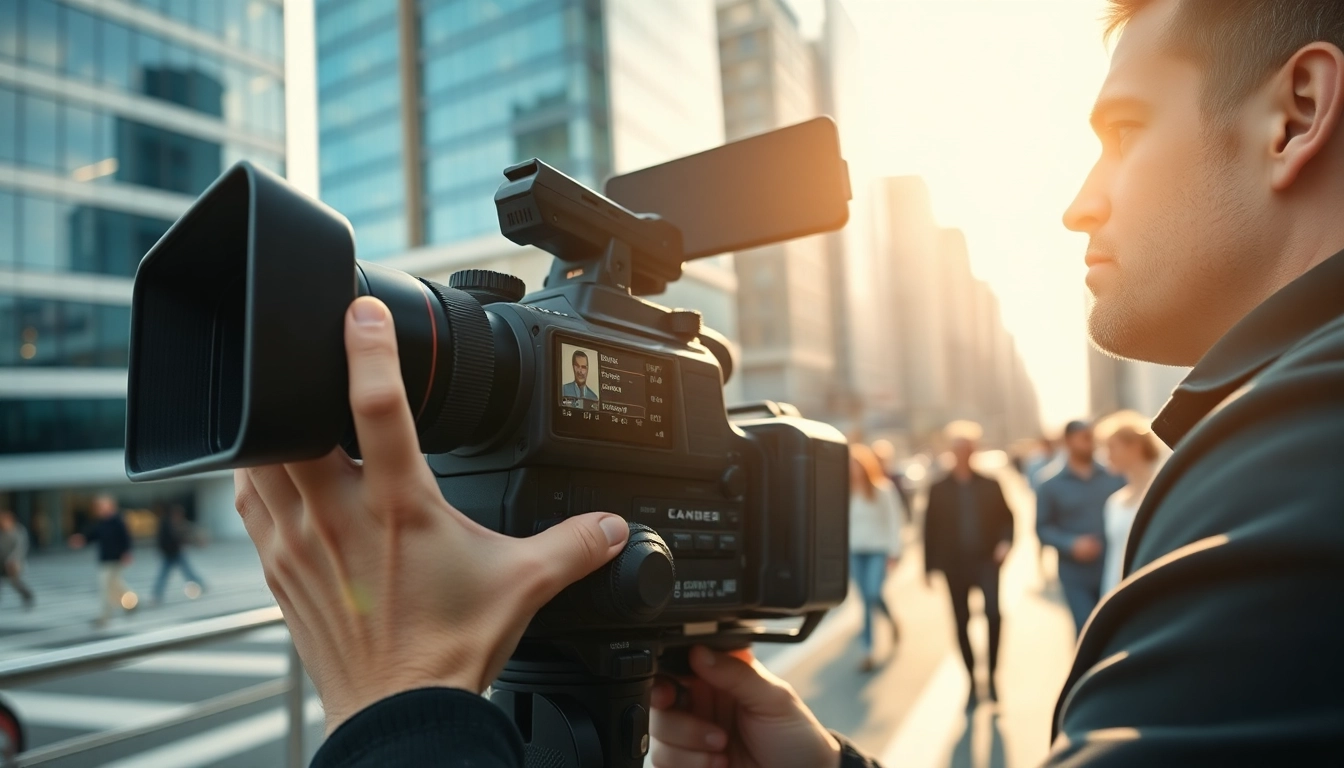
Understanding the Role of a Videographer
Definition and Importance of a Videographer
A Videographer is a professional who specializes in capturing moving images through video. They play a critical role in a wide array of projects, from corporate video productions to private events and creative storytelling. The importance of a videographer cannot be overstated, as they translate concepts into visual narratives that resonate with audiences. In an era where visual content dominates digital landscapes, the demand for skilled videographers has surged, making their expertise invaluable for businesses and individuals alike.
Key Tasks and Responsibilities of a Videographer
The tasks of a videographer can vary significantly depending on the project. Key responsibilities include:
- Pre-production Planning: Collaborating with clients to define project goals, selecting locations, and developing scripts or storyboards.
- Equipment Setup: Ensuring the right cameras, lighting, and sound equipment are set up correctly for optimal footage capture.
- Filming: Operating cameras to capture video, making creative and technical decisions in real-time.
- Post-Production: Editing footage using software, adding sound, effects, and transitions, and ensuring the final product aligns with the client’s vision.
- Client Communication: Maintaining clear and transparent communication with clients throughout all stages of the videography process.
Skills Necessary for a Successful Videographer
The skills required for a successful videographer encompass both technical and interpersonal abilities:
- Technical Proficiency: Mastery of camera equipment, video editing software, and sound equipment.
- Creative Vision: The ability to visualize scenes and how they will translate into engaging video content.
- Attention to Detail: A keen eye for capturing minute details that enhance the storytelling aspect of a video.
- Time Management: The capacity to deliver projects on time while managing multiple tasks effectively.
- Interpersonal Skills: Strong communication skills for working collaboratively with clients and other creatives.
Types of Videography Services Offered
Corporate Videography: Engaging Brand Narratives
Corporate videography focuses on creating content that reflects a company’s brand values, culture, and services. Common projects include promotional videos, training materials, and event coverage. Videographers in this sector need to understand corporate messaging and tailor their work to meet specific business objectives.
Key elements of corporate videography include:
- Producing engaging brand stories that resonate with target audiences.
- Creating promotional videos that highlight products or services.
- Documenting company events to share internally or externally.
- Developing training videos for employee onboarding or skills development.
Event Videography: Capturing Memorable Moments
Event videography involves documenting events such as conferences, concerts, and private celebrations like birthdays or anniversaries. The goal is to capture the essence and emotions of these moments, creating a lasting memory for the client.
Critical aspects of event videography include:
- Being adaptable to various environments and unexpected circumstances during events.
- Utilizing multiple camera angles to enrich the storytelling of the event.
- Offering packages that cater to different client needs, from short highlights to full-length documentaries.
Wedding Videography: Crafting Unique Love Stories
Wedding videography is a specialized field that revolves around capturing the wedding day in a cinematic manner. It is essential for a wedding videographer to not only have technical proficiency but also understand the flow of wedding events.
Key components of wedding videography include:
- Consulting with couples to understand their vision and preferences.
- Providing packages that may include full edits, highlight reels, and documentary-style videos.
- Incorporating personal elements such as interviews with guests or the couple to enhance the emotional impact of the final product.
Choosing the Right Videographer for Your Project
Factors to Consider When Hiring a Videographer
Selecting the right videographer involves careful consideration of several factors, including:
- Experience: Evaluating their portfolio and previous work to ensure they have adequate experience in the type of videography you need.
- Style: Understanding their creative style to ensure it aligns with your vision.
- Availability: Confirming they are available for your project timeline.
- Budget: Considering costs and ensuring they fit within your budget constraints.
Reviewing a Videographer’s Portfolio Effectively
A videographer’s portfolio showcases their style and capabilities. When reviewing, pay attention to:
- Consistency in quality across different projects.
- Diversity of work that shows versatility in various styles and genres.
- Personal connections portrayed in their work, especially for documentary and narrative pieces.
Understanding Pricing Models for Videographer Services
Pricing for videography services can vary widely based on experience, location, and project scope. Common pricing models include:
- Hourly Rate: A set rate for the time spent shooting and editing video.
- Flat Fee: A comprehensive fee that covers the entire scope of the project.
- Package Deals: Pre-defined options that bundle different services for a set price.
Best Practices for Working with a Videographer
Planning Your Shoot: Communication with Your Videographer
Effective communication is paramount when planning a shoot. Discuss your vision, provide any necessary details, and involve the videographer early in the planning process to ensure alignment on objectives.
Preparing for the Day of the Shoot
Preparation can significantly influence the success of the shoot day. Important steps include:
- Creating a detailed shoot schedule, including timings for each key moment.
- Gathering any necessary equipment, permits, or permission for filming in specific locations.
- Conducting a pre-shoot meeting to address any last-minute questions or adjustments.
How to Provide Feedback to Your Videographer
Providing constructive feedback is crucial for ensuring the final product aligns with your vision. Tips for giving feedback include:
- Being specific about what you liked or felt could be improved.
- Timing your feedback appropriately, avoiding critiques during the emotional moments of a wedding or significant event.
- Providing examples or references that convey your preferences clearly.
Future Trends in Videography
The Impact of Technology on Videography
Advancements in technology are continuously shaping the field of videography. From drones to 360-degree cameras, technology allows videographers to explore creative avenues previously unattainable.
Trends such as live streaming, using high-resolution formats like 4K and 8K, and the integration of augmented reality are becoming more prevalent and can add immense value to video projects.
Emerging Styles and Techniques in Videography
New videography styles are evolving, influenced by social media trends and audience preferences. Short-form content, for example, is gaining traction, leading to the rise of platforms like TikTok and Instagram Reels. Understanding these emerging styles is crucial for videographers aiming to stay relevant.
Importance of Adaptability for a Modern Videographer
The ability to adapt to changes in technology, audience preferences, and project demands is essential for modern videographers. This adaptability not only enhances their skill set but also positions them as forward-thinking professionals who can meet diverse client needs in a rapidly changing landscape.