
Effective Strategies for Complete Bed Bug Removal
Understanding Bed Bugs
Identification and Behavior
Bed bugs, scientifically known as Cimex lectularius, are small, wingless insects that feed exclusively on blood, primarily from humans. Adult bed bugs are approximately 5 to 7 mm long and have flat, oval bodies that give them a stealthy appearance, allowing them to hide easily in the crevices of furniture, mattresses, and bedding. Juveniles are smaller and pale yellow in color, making them harder to detect.
These nocturnal pests are most active during the night and are attracted to the warmth and carbon dioxide emitted by humans. They exhibit a behavior known as “hitchhiking,” meaning they can easily latch onto clothing, luggage, and other personal belongings, allowing them to spread quickly from one location to another.
Common Signs of Infestation
Recognizing a bed bug infestation early is crucial for effective bed bug removal. Some common signs include:
- Dark, rust-colored spots on sheets and mattresses, which are bed bug excrement.
- Small, itchy bites on the skin, often in lines or clusters.
- A musty, sweet smell in areas where bed bugs are present.
- Bed bug shells or skins, which are shed during their growth stages.
- Visible bed bugs in mattress seams, along baseboards, or inside furniture.
Health Risks Associated with Bed Bugs
While bed bugs are not known to transmit diseases, their bites can cause various allergic reactions, leading to intense itching and discomfort. Some individuals may experience secondary infections from scratching the bites. The psychological impacts, such as anxiety and insomnia, stemming from a bed bug infestation can also be significant, affecting the quality of life.
Effective Bed Bug Removal Methods
DIY Approaches for Bed Bug Removal
Homeowners looking to tackle bed bug infestations on their own may find several DIY methods effective. Key approaches include:
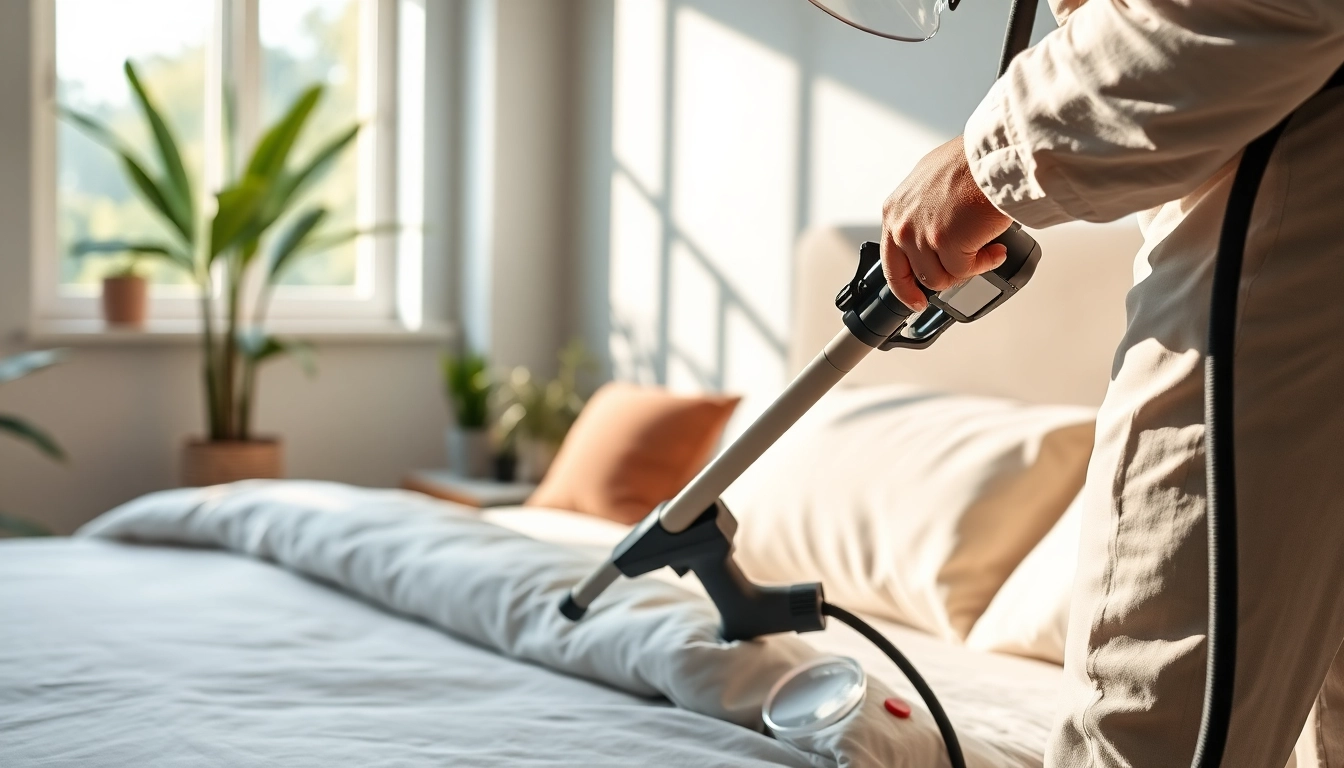
- Vacuuming: Thorough vacuuming of all infested areas can remove bed bugs and their eggs. After vacuuming, dispose of the vacuum bag carefully to prevent reinfestation.
- Washing and Drying: Washing bed linens and clothing in hot water followed by high-heat drying will kill bed bugs and their eggs.
- Steam Cleaning: Applying steam directly to furniture and carpets can help eliminate bed bugs, as they cannot survive high temperatures.
- Pesticides: Some commercially available bed bug sprays can be used, but they should be used cautiously and in conjunction with other methods for maximum effectiveness.
Professional Pest Control Services
For severe infestations, hiring a professional pest control service is often the most effective strategy. These experts employ advanced techniques, including:
- Heat Treatment: This method involves raising the temperature of infested areas to a level that is lethal to bed bugs.
- Chemical Pesticides: Licensed professionals can apply potent pesticides designed specifically for bed bug elimination that are safe for use in residential settings.
- Detection Dogs: Some services utilize specially trained dogs to detect bed bugs, often before visible signs appear.
Integrated Pest Management (IPM) Techniques
Integrated Pest Management (IPM) involves a comprehensive approach that combines multiple strategies for effective bed bug control. It emphasizes prevention as well as treatment and includes the following steps:
- Monitoring: Regular inspections and monitoring traps can help identify early infestations.
- Prevention: Reducing clutter and sealing cracks in walls, windows, and furniture can help deter bed bug entry.
- Sanitation: Regular cleaning practices, particularly of areas where bed bugs are likely to hide, can significantly reduce the risk of infestations.
Preparing Your Home for Bed Bug Removal
Essential Steps Before Treatment
Preparation is key for effective bed bug removal. Prior to treatment, consider the following steps:
- Declutter the affected areas to minimize hiding spots for bed bugs.
- Remove all bedding and clothing, and wash them on the hottest setting possible.
- Vacuum all affected areas thoroughly and dispose of the vacuum contents outside.
- Inform your pest control professional about any pets or individuals with sensitivities to chemicals.
What to Expect During Treatment
During professional treatments, homeowners should expect a thorough examination of all infested areas. Depending on the chosen method, treatments can last several hours. Professionals will provide instructions on how to stay safe during the treatment process, which may involve vacating the premises temporarily.
Post-Treatment Guidelines
After treatment, it is crucial to follow specific guidelines to ensure all bed bugs are eliminated:
- Avoid returning furniture or bedding to treated areas until the pest control professional advises it’s safe.
- Continue monitoring for signs of reinfestation and report any sightings to your pest control provider.
- Maintain cleanliness to deter future infestations, including regular vacuuming and washing of bed linens.
Cost Factors for Bed Bug Removal
Estimating Treatment Costs
The cost of bed bug removal varies significantly based on factors such as the size of the infestation, the treatment method used, and the region. On average, homeowners can expect to pay between $300 and $1,500 for professional services.
Factors Influencing Pricing
Several factors can influence the overall cost of bed bug removal, including:
- Infestation Size: Larger infestations typically require more extensive treatments, increasing costs.
- Type of Treatment: Methods such as heat treatments may be more expensive than chemical applications but can be more effective.
- Follow-Up Treatments: Additional treatments to ensure complete elimination may be necessary and can add to the total cost.
Budget-Friendly Options
For those on a tight budget, consider these options:
- DIY methods can be effective for minor infestations if executed correctly.
- Many local health departments offer resources or assistance for pest control at reduced costs.
- Look for seasonal discounts or package deals from pest control companies.
FAQs About Bed Bug Removal
How long does bed bug removal take?
The duration of the bed bug removal process largely depends on the severity of the infestation. Professional treatments can last from a few hours to several days, with follow-ups potentially required.
Are bed bugs harmful to my health?
Bed bugs are not known to transmit diseases; however, their bites can lead to allergic reactions, secondary infections from scratching, and significant emotional stress.
Can I tackle bed bugs without professional help?
While it’s possible to manage small infestations with DIY methods, professional pest control services are often more effective for larger or persistent infestations.
What do I do if I see bed bugs again?
If you see bed bugs after treatment, contact your pest control provider immediately for further assessment and follow-up treatment options.
How do I prevent future infestations?
Prevent future infestations by regularly inspecting your home, maintaining cleanliness, sealing cracks in walls, and avoiding second-hand furniture without inspection first.