
Effective Strategies for Choosing a Bed Bug Exterminator
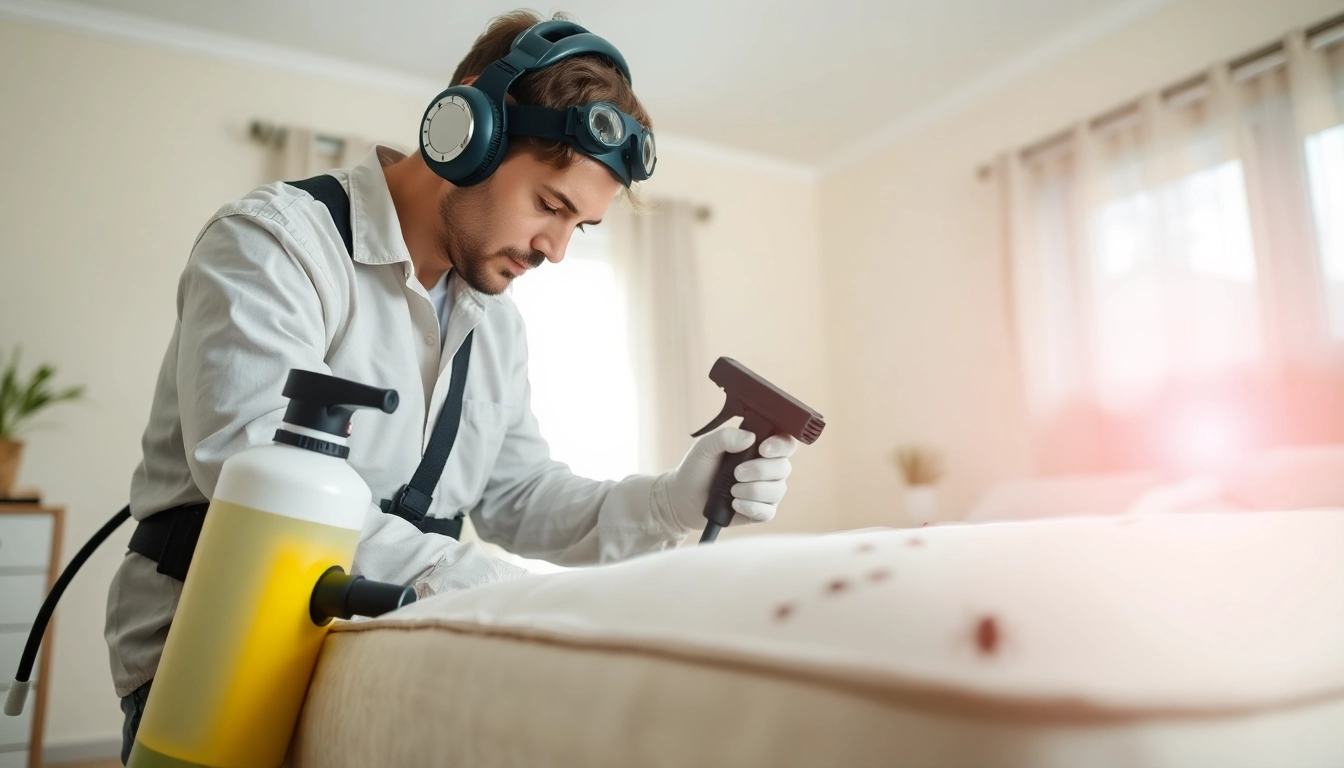
Understanding Bed Bugs and Their Impact
Bed bugs are small, parasitic insects that feed on the blood of humans and animals. These crafty critters thrive in environments where they can easily access their hosts, often venturing out at night to feed while their victims are in deep sleep. Due to an alarming resurgence of bed bugs in various settings, including private homes, hotels, and public transportation, understanding their biology, signs of infestation, and the urgency of professional intervention has never been more crucial. Engaging a reputable bed bug exterminator can be the first crucial step in addressing this issue.
What Are Bed Bugs?
Bed bugs belong to the Cimicidae family. Of these, the common bed bug, scientifically known as Cimex lectularius, is the most prevalent species. Adult bed bugs are about the size of an apple seed, typically brown in color, and can vary in shape from oval to flattened, allowing them to hide in tiny crevices. Both adult bugs and immature nymphs vary in size, and while nymphs are smaller, they share the same appearance and behavior as adults. Bed bugs are resilient pests; they can withstand various environmental conditions and can survive for several months without feeding.
Signs of an Infestation
Identifying a bed bug infestation can be challenging, especially given their nocturnal nature. However, there are several telltale signs that an infestation is present:
- Visible Bugs: Adult bed bugs can often be seen on mattresses, bed frames, and furniture.
- Blood Stains: Small blood spots on bedding or upholstery can indicate bed bug activity.
- Dark Spots: These are fecal trails left behind by feeding bed bugs and can appear as small, dark flecks on linens.
- Molted Skin: Bed bugs shed their exoskeletons as they grow, leaving behind discarded skins.
- Bitten Skin: Bed bug bites can manifest as itchy welts on the skin, often appearing in a line or cluster.
The Importance of Timely Action
Once bed bugs are detected, taking immediate action is vital. They reproduce quickly, with females laying several eggs daily, leading to an exponential growth of the population. The longer one waits to address an infestation, the more difficult and expensive it may become to eliminate them. Moreover, bed bug bites can cause allergic reactions and secondary infections, leading to more severe health issues.
Evaluating Bed Bug Exterminator Services
Choosing the right bed bug exterminator is critical for effective pest control. With numerous options available, understanding the factors to evaluate is essential for informed decision-making.
Factors to Consider When Choosing a Bed Bug Exterminator
When selecting a bed bug exterminator, consider the following factors:
- Experience: Look for professionals with a proven track record in dealing with bed bug infestations.
- Techniques Used: Investigate the extermination methods employed, such as heat treatment, chemical sprays, or integrated pest management (IPM) methods.
- Customer Reviews: Evaluate previous customer testimonials and reviews to gauge the service’s reliability and effectiveness.
- Certification and Licensing: Ensure the exterminator is licensed and certified by regulatory bodies to practice pest control.
- Guarantees Offered: Inquire if they provide guarantees or follow-up services to ensure the infestation is fully eradicated.
Reviewing Credentials and Experience
A reputable exterminator should possess appropriate credentials, including state licenses and certifications from recognized pest management organizations. Experience in the field can often be an indicator of an exterminator’s capability in managing complex infestations effectively. A thorough examination of their training in pest identification and treatment strategies is essential.
Comparing Treatment Methods
Bed bug extermination can involve various methods, including:
- Heat Treatments: High temperatures kill bed bugs at all life stages, and this method is considered eco-friendly.
- Chemical Treatments: Involves the application of pesticides designed specifically for bed bugs; effectiveness varies based on the products used.
- Steam Treatments: Steam can penetrate and kill bed bugs hiding in mattresses and furniture.
- Integrated Pest Management: A comprehensive approach that combines multiple strategies, including monitoring and prevention tactics, to control and manage infestations.
Cost Considerations for Bed Bug Extermination
The costs associated with hiring a bed bug exterminator can vary significantly based on multiple factors, such as the extent of the infestation, the size of the property, and the treatment methods employed. Understanding these cost fluctuations can help you budget effectively.
Average Pricing Trends
On average, the cost of bed bug extermination can range from $500 to $5,000, with the price per room being approximately $800 to $1,000. Large-scale infestations or extensive treatments such as heat remediation may be more expensive due to additional equipment and labor requirements.
What to Expect from a Quote
When obtaining quotes from exterminators, expect a detailed breakdown of services, including the specific treatments proposed, duration, and any follow-up visits. Ensure that the quote includes costs for inspections, treatments, and any warranties or guarantees offered.
Discussing Payment Options
Many extermination companies offer flexible payment plans, financing options, or discounts for upfront payments. Discussing these options upfront can alleviate financial burdens and improve accessibility to necessary pest control services.
Preparing Your Home for Extermination
Proper preparation enhances the effectiveness of extermination services. Knowing what to do before the arrival of a bed bug exterminator can ensure a smoother process and rapid results.
Steps to Take Before Arrival
Prior to the exterminator’s arrival, take the following steps:
- Clear out clutter from the affected areas, including under beds and behind furniture.
- Wash beddings, linens, and clothes in hot water to eliminate any hidden bugs.
- Vacuum the entire home, concentrating on seams of beds, upholstery, and crevices.
- Remove pets and their belongings from the property to ensure their safety.
- Move furniture away from walls to provide access to areas typically inhabited by bed bugs.
Essential Safety Precautions
Safety precautions are paramount during extermination processes. After the treatment, refrain from stepping into infested areas or touching treated surfaces until the exterminator states it is safe. Follow specific recommendations for air circulation to minimize exposure to any residual chemicals or compounds.
Aftercare: Maintaining a Bed Bug-Free Home
Post-extermination care is essential in maintaining a bed bug-free environment. Frequent cleaning, regular inspections, and employing protective measures can significantly decrease the likelihood of re-infestation. Use bed bug-proof mattress encasements to protect against future incursions and educate yourself about bed bug prevention strategies.
FAQs About Bed Bug Exterminators
How do I know if I have bed bugs?
Look for small blood stains on sheets, dark spots of bed bug droppings, and live bugs in seams of mattresses and furniture.
How long does extermination take?
Extermination can take a few hours to a couple of days based on the severity of the infestation and the methods used.
Are bed bug extermination methods safe for pets?
Many professional exterminators offer pet-safe treatments, but it’s important to disclose any pets to the exterminator beforehand.
What preparations are needed before the exterminator arrives?
Clear out clutter from infested areas, wash bed linens, and move furniture away from walls for easy access.
Can I prevent bed bugs from returning?
Yes, regular vacuuming, inspecting secondhand furniture, and using protective mattress covers can help prevent their return.