
Effective Strategies for Bed Bug Removal: Comprehensive Solutions and Expert Tips
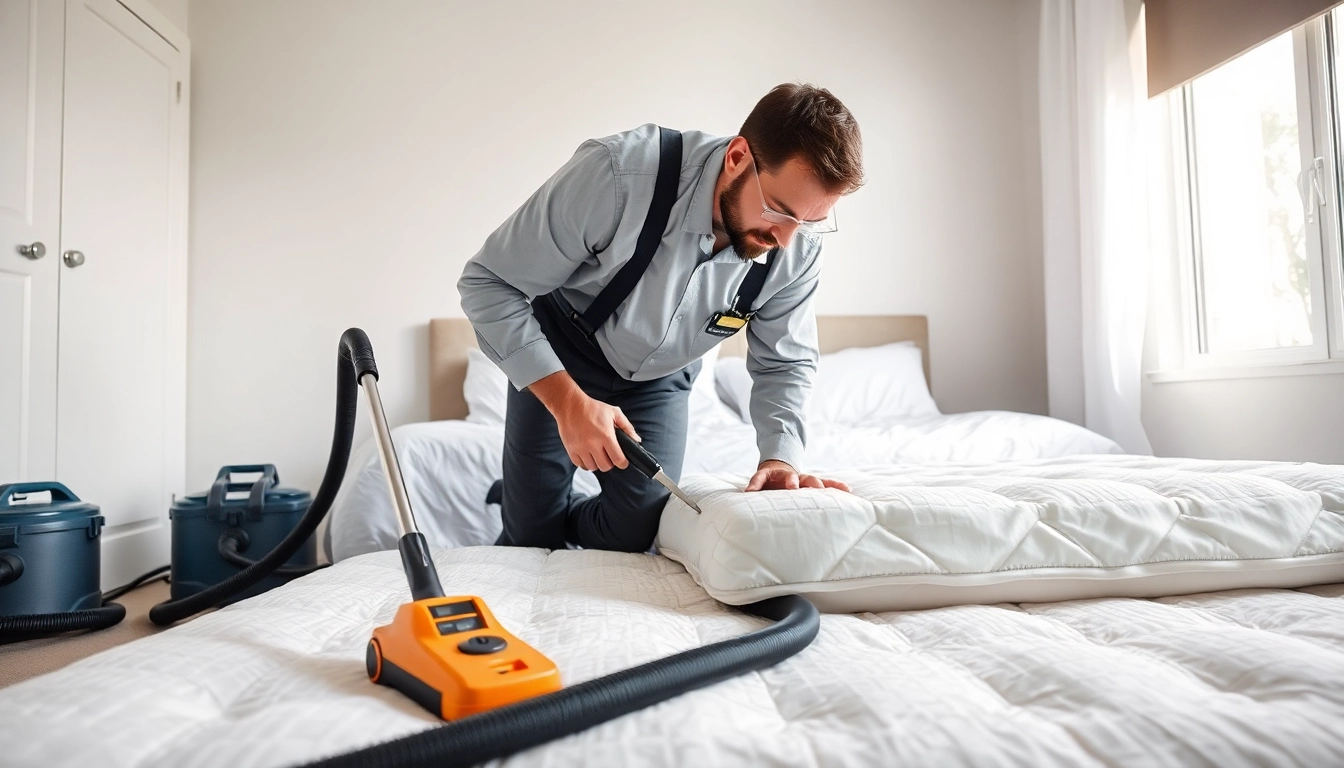
The Importance of Bed Bug Removal
Bed bugs are small insects that feed on human blood, primarily at night. Their presence in homes can lead to significant discomfort, emotional distress, and even health risks. Understanding the importance of bed bug removal is essential for maintaining a healthy living environment. In this article, we’ll explore the habits of these pests, the associated health risks, the economic impacts of infestations, and effective strategies for dealing with them.
Understanding Bed Bugs and Their Habits
Bed bugs, scientifically known as Cimex lectularius, are nocturnal insects that thrive in warm climates and are particularly prevalent in urban areas. They are known for their ability to hide in small cracks and crevices, making detection challenging. Their primary food source is human blood, which they consume by piercing the skin during sleep. Female bed bugs can lay hundreds of eggs over their lifetime, leading to rapid population growth.
These pests tend to congregate in areas where people sleep, such as mattresses, box springs, and headboards. They are excellent hitchhikers, often spreading through luggage, secondhand furniture, and clothing. Knowing their habits is crucial for effective prevention and control.
Health Risks Associated with Bed Bugs
While bed bugs are not known to transmit diseases, their bites can cause various health issues. Some of the most common health concerns include:
- Skin Reactions: Bed bug bites often result in red, itchy welts that can vary in severity. In some cases, individuals may experience allergic reactions to the saliva injected by the bugs during feeding.
- Secondary Infections: Intense scratching of bite areas can lead to secondary skin infections, necessitating medical treatment.
- Sleep Disturbance: The anxiety and discomfort caused by bed bug infestations can lead to insomnia and decreased quality of life.
The Economic Impact of Infestations
The economic implications of bed bug infestations extend beyond bites and discomfort. For homeowners and renters alike, the costs can escalate quickly due to:
- Professional Pest Control Services: Hiring experts for comprehensive bed bug removal can be costly, depending on the severity of the infestation.
- Replacement Costs: Severely infested furniture and mattresses may need to be discarded, incurring additional costs for replacements.
- Lost Productivity: Businesses, especially hotels and motels, can suffer major financial losses due to reputational damage and decreased occupancy rates linked to bed bug issues.
Identifying Bed Bug Infestations
Identifying a bed bug infestation early is crucial for effective management. Awareness of common signs and inspection strategies can prevent infestations from worsening.
Signs of Bed Bug Presence
Detecting bed bugs early can alleviate the hassle and expense of severe infestations. Look for the following signs:
- Physical Bites: Raised, red welts on the skin, especially in clusters or lines, can indicate bed bug activity.
- Insect Droppings: Bed bug feces appear as small, dark spots around bedding, mattresses, or baseboards.
- Egg Shells: Tiny, white eggs or shells may be found in hiding spots.
- Bed Bug Shells: As they molt, bed bugs leave behind exoskeletons that can be found in their hiding spots.
Effective Inspection Techniques
When inspecting for bed bugs, consider employing a systematic approach:
- Visual Search: Thoroughly examine bedding, mattresses, box springs, and surrounding areas using a flashlight.
- Encasements: Consider using mattress and box spring encasements to restrict bed bug access and facilitate inspections.
- Use of Tools: Employ tools like a magnifying glass to assist in identifying small bugs and their signs.
Utilizing Bed Bug Detection Tools
Detection tools can enhance your efforts in spotting bed bugs early:
- Intercepting Monitors: These traps are designed to catch bed bugs as they attempt to climb onto beds.
- Heat Detection: Utilizing heat to lure and kill bed bugs can serve as both a preventive and control measure.
- Canine Detection: Trained dogs can detect bed bugs with remarkable accuracy, often serving in professional pest control settings.
DIY Techniques for Bed Bug Removal
Before considering professional help, many homeowners opt for DIY solutions to tackle a bed bug problem. Here is a comprehensive approach for effective bed bug removal.
Preparing Your Home for Treatment
Preparation is key when attempting DIY bed bug removal:
- Decluttering: Remove unnecessary items that could harbor bed bugs, providing fewer hiding spots.
- Washing Bedding: Use hot water and a dryer on the highest setting for at least 30 minutes to kill bed bugs and their eggs.
- Vacuuming: Thoroughly vacuum your home, focusing on carpets, baseboards, mattresses, and furniture. Dispose of the vacuum bag immediately.
Heat Treatment Options
Heat treatment is a proven method for bed bug removal. Applying high temperatures effectively kills bed bugs and their eggs. Here’s how to approach it:
- Professional Equipment: Consider hiring professionals who can use specialized heaters to ensure thorough and effective treatment.
- DIY Heat Options: Use steamers on mattresses and furniture. However, ensure temperatures exceed 115°F (46.11°C) for effectiveness.
Natural Remedies and Their Efficacy
Some homeowners explore natural remedies as a more eco-friendly bed bug removal strategy. Effective natural methods include:
- Essential Oils: Oils like lavender, tea tree, and peppermint can repel bed bugs, although they may not eradicate your infestation.
- Diatomaceous Earth: This natural powder can effectively damage bed bugs’ exoskeletons when applied in infested areas, leading to their desiccation.
While natural remedies can assist, they are often best utilized in conjunction with other treatments, as they might not address severe infestations effectively.
Professional Solutions for Bed Bug Removal
When DIY methods fall short, professional interventions become necessary for comprehensive bed bug removal. Understanding these options can aid in decision-making.
When to Hire a Pest Control Expert
Recognizing the right time to enlist professional help is crucial. Consider engaging an expert when:
- The infestation is severe and widespread.
- DIY methods have failed to produce results.
- You suspect the presence of bed bugs in multiple areas of your home.
Types of Professional Treatments Available
Professionals commonly implement several treatment strategies, including:
- Heat Treatments: These are often the most effective and environmentally friendly. It involves heating infested areas to a temperature that kills bed bugs and their eggs.
- Pesticide Applications: When chosen carefully, pesticides can effectively target specific high-risk areas without endangering inhabitants.
- Integrated Pest Management (IPM): This holistic approach combines various tactics for sustainable management, including education, regular monitoring, and various treatments.
Effectiveness of Integrated Pest Management
IPM is regarded as an effective method in dealing with bed bugs, emphasizing prevention along with corrective measures. Its steps typically include:
- Monitoring and identification of infestations.
- Utilization of diversified treatments tailored to the severity of the infestation.
- Ongoing assessment and adaptations based on effectiveness over time.
Preventing Future Bed Bug Infestations
Prevention is far simpler than dealing with a full-blown infestation. By adopting proactive measures, you can significantly reduce the likelihood of encountering these pests in the future.
Best Practices for Homeowners
Incorporating preventive best practices into your home routine can deter bed bug infestations:
- Regular Inspections: Frequently check areas where bed bugs typically hide, especially after guests stay.
- Safe Travel Practices: Always inspect hotel rooms and keep luggage elevated off the floor while traveling.
- Storage Solutions: Utilize airtight containers for clothing and bedding, especially when storing items for extended periods.
Travel Tips to Avoid Bed Bugs
Taking preventive measures while traveling is crucial:
- Examine hotel beds and furniture for signs of infestation.
- Keep your luggage off the floor and use hard-sided suitcases rather than soft bags.
- Wash and dry clothes at high temperatures as soon as you return from your trip.
Regular Maintenance and Monitoring
Continuously maintaining cleanliness and vigilance in your home is vital:
- Maintain a clutter-free environment to minimize potential hiding spots.
- Regular vacuuming and washing of bed linens can contribute to prevention.
- Consider investing in detection tools and professional inspections every few months for peace of mind.
Frequently Asked Questions
1. How can I tell if my bedroom has bed bugs?
Look for bites on your skin, dark spots (feces) on bedding, and tiny eggs or shells. Visual inspections at night when they are active can also help.
2. What is the quickest way to get rid of bed bugs?
The quickest method is typically professional heat treatment, which can kill bed bugs and their eggs in one session, depending on the severity of the infestation.
3. Are bed bug bites dangerous?
While not known to transmit disease, bed bug bites can lead to allergic reactions and secondary infections due to scratching.
4. Can bed bugs live in furniture without a person present?
Yes, bed bugs can survive in furniture and other hiding spots for months without feeding on humans, making it crucial to treat infested areas effectively.
5. How can I prevent bed bugs when traveling?
Inspect your hotel room, elevate your luggage, and wash clothes at high temperatures upon returning home to reduce the risk of infestation.