
Designing Your Dream Cape Cod Home: Essentials for Style and Functionality
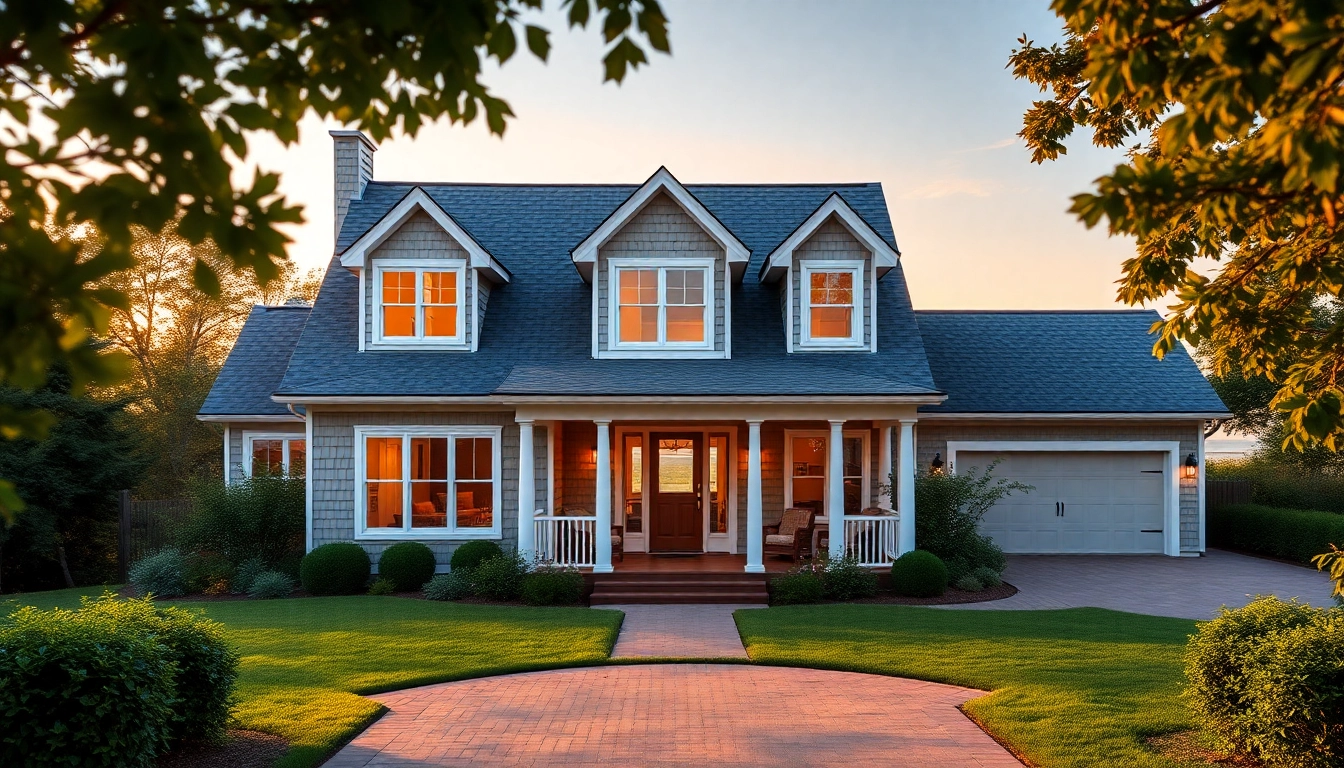
Understanding the Cape Cod Home Aesthetic
The cape cod home embodies a unique architectural philosophy rooted in simplicity, function, and harmony with nature. This classic design has captivated homeowners for generations, reflecting a style that is both practical and aesthetically pleasing. The charm of the Cape Cod home lies not only in its historical significance but also in its ability to evolve and adapt to modern needs while retaining its foundational characteristics.
Historical Significance of Cape Cod Homes
Originating in the early 17th century, the Cape Cod style draws inspiration from the first settlers who arrived from England. These homes were initially designed to withstand the harsh New England winters, showcasing steep roofs, symmetrical facades, and large central chimneys. The style emphasizes durability and functionality, reflecting the needs of a community that relied on agriculture and fishing. Over time, the cape cod home has become a symbol of American architectural heritage, representing a nostalgic connection to the past.
Key Architectural Features of Cape Cod Homes
Several distinctive features characterize the Cape Cod home, which include:
- Steep Roofs: Typically pitched at a 45-degree angle, the steep roof helps with snow runoff.
- Symmetry: The balanced design often includes evenly spaced windows and a centered front door.
- Gable Dormers: Often utilized to increase natural light and ventilation, dormers add to the aesthetic appeal.
- Wooden Siding: Clapboard or shingle siding in muted colors gives the home a natural, simple appearance.
- Large Central Chimneys: Historically essential for heating, these chimneys often have a significant visual impact.
Modern Interpretations of Cape Cod Style
In contemporary applications, architects and designers often incorporate modern materials and technologies into the traditional Cape Cod home blueprint. This can include open floor plans, energy-efficient windows, and enhanced insulation while maintaining classic exterior elements. Mixing materials such as metal roofing or stone accents can create a unique fusion of old and new, preserving the charm of a cape cod home while catering to modern aesthetics and functionality.
Planning Your Cape Cod Home Expansion
When considering an expansion of your cape cod home, it’s essential to approach the design thoughtfully. Expanding your living space while remaining true to the home’s aesthetic requires careful planning and execution.
Assessing Your Need for Extra Space
Before diving into an expansion project, evaluate your current living situation. Ask yourself questions like:
- Is there a growing need for additional bedrooms or bathrooms?
- Do you require more space for entertaining or hobbies?
- How will an expansion impact the functionality of your home?
Understanding your specific needs and how they can be addressed through design will provide clarity and direction for the project.
Choosing the Right Design Style for Expansion
When expanding a cape cod home, it’s critical to match the new design with the existing architectural elements. Here are some design strategies:
- Additions: Consider horizontal or vertical expansions that blend seamlessly.
- Exterior Design: Use matching siding, roof designs, and window styles to ensure continuity.
- Interior Flow: Maintain an open layout that encourages the flow between old and new spaces.
Budgeting for Your Cape Cod Home Project
Establishing a budget is a fundamental step in your expansion plans. Factor in the following costs:
- Planning and design fees.
- Materials and labor.
- Permitting and inspection fees.
- Landscaping adjustments post-construction.
It’s advisable to create a buffer in your budget for unforeseen expenses, which can occur during renovations.
Incorporating an Attached Garage into Your Cape Cod Home
An attached garage can enhance the functionality and aesthetic of your Cape Cod home. It’s not merely an addition; it offers numerous benefits.
Benefits of an Attached Garage
Having an attached garage provides several advantages:
- Convenience: Direct access to your home shields you from the elements.
- Increased Storage: It offers additional space for tools, outdoor equipment, and seasonal items.
- Improved Resale Value: Homes with garages often attract higher market interest.
Designing the Garage to Match Your Home’s Aesthetic
While planning your garage, it’s crucial that it complements the existing design of your cape cod home. Consider the following design elements:
- Matching Siding: Use similar materials and colors as your home’s exterior.
- Architectural Style: Continue the roofline and window style for visual harmony.
- Landscaping: Incorporate landscaping features that tie the garage into the broader yard design.
Functional Storage Solutions in Your Garage
Maximizing storage in your attached garage can help maintain an organized home. Consider these solutions:
- Vertical Storage: Install shelves and hooks to utilize wall space effectively.
- Multi-functional Furniture: Incorporate workbenches that double as storage areas.
- Seasonal Organization: Designate areas for seasonal items, keeping them tidy and accessible.
Landscaping Ideas for Your Cape Cod Home
Beautiful landscaping enhances the overall appeal of your Cape Cod home and creates inviting outdoor spaces.
Front Yard Designs That Enhance Curb Appeal
The front yard sets the tone for your property. Consider these design elements:
- Symmetrical Planting: Align shrubs and flowers on either side of pathways for a classic look.
- Walkways: Create inviting pathways using natural stone or pavers.
- Plant Varieties: Choose a mix of perennials and annuals that bloom in different seasons for year-round interest.
Creating Outdoor Living Spaces
Integrating outdoor living spaces can significantly enhance your enjoyment of your property. Think about:
- Decks and Patios: Create spacious areas for dining or relaxing.
- Fire Pits: A gathering spot for evening relaxation.
- Outdoor Kitchens: Set up areas for grilling and alfresco dining.
Native Plants for Sustainable Landscaping
Incorporating native plants into your landscaping not only promotes sustainability but also supports local ecosystems. Opt for plants that are appropriate for your region’s climate, requiring less maintenance and water:
- Beach Plum: Provides beautiful blooms and fruit.
- Rhode Island Iris: Adds vivid color while attracting pollinators.
- Blueberry Bushes: Functional and ornamental, providing delicious berries.
Frequently Asked Questions About Cape Cod Homes
What defines a Cape Cod home?
A Cape Cod home is characterized by its steep roof, symmetrical design, dormer windows, and wooden siding that emphasizes simplicity and durability.
How can I make my Cape Cod home more energy-efficient?
Enhance insulation, install energy-efficient windows, and consider solar panels or high-efficiency heating systems to improve energy efficiency.
What are some popular color schemes for Cape Cod homes?
Soft pastels, muted earth tones, and classic whites are ideal for capturing the aesthetic charm of Cape Cod homes.
Can I mix modern elements with Cape Cod design?
Yes, incorporating contemporary materials and open spaces can create a stylish blend of modern functionality while maintaining traditional elements.
What maintenance tips are recommended for Cape Cod homes?
Regular inspection of siding and roofing, seasonal cleaning, and painting every few years will help preserve the home’s charm and structure.