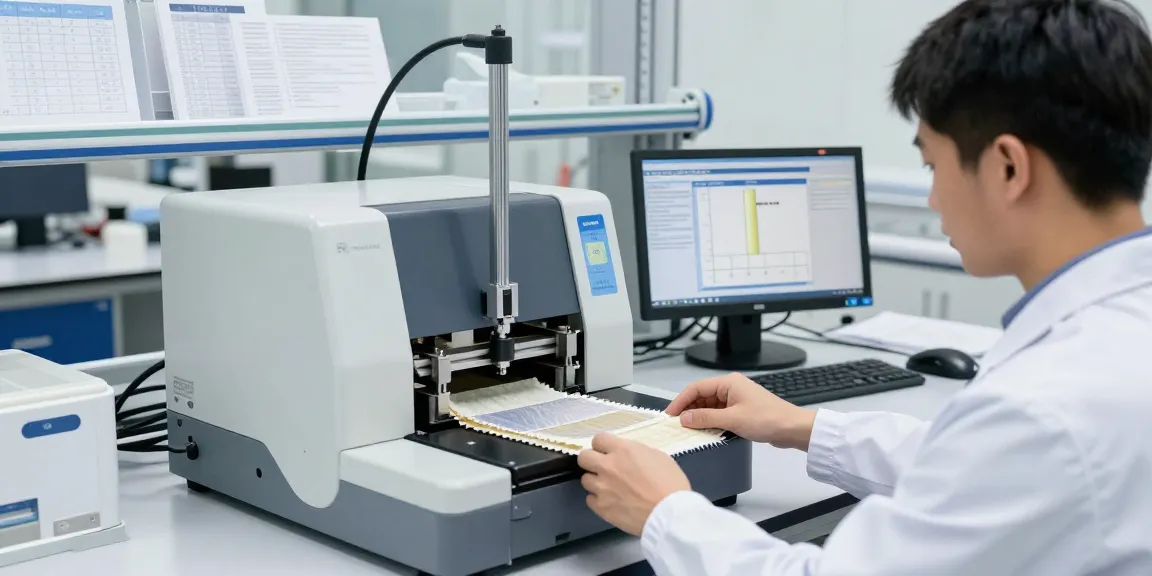
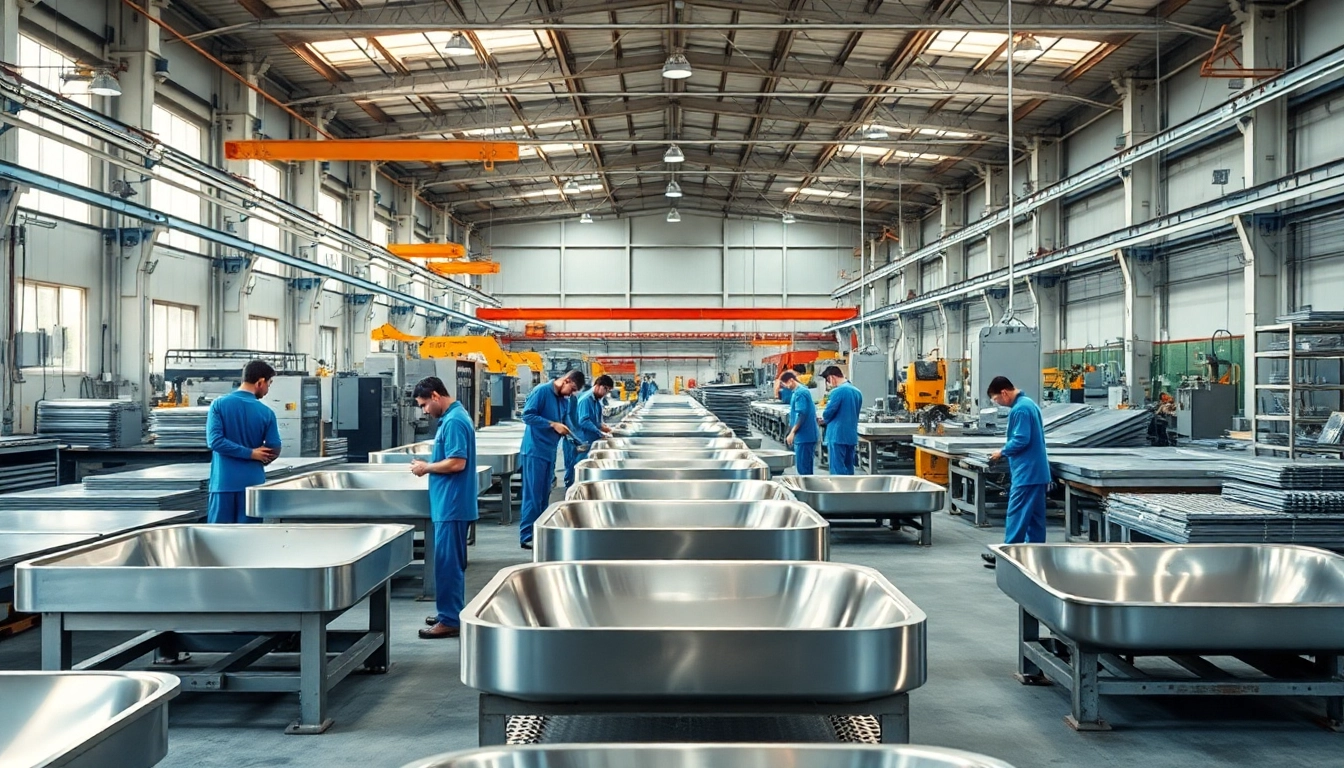
1. Understanding Steel Fabrication Shops
1.1 What is a Steel Fabrication Shop?
A steel fabrication shop is a facility dedicated to the manufacturing and assembling of structures made of steel and other metal materials. The processes involved in steel fabrication are crucial to a wide variety of industries, including construction, manufacturing, and infrastructure development. These shops typically employ skilled craftsmen and use a range of machinery and tools to cut, bend, weld, and finish metal products to meet specific project requirements.
1.2 Importance of Local Steel Fabrication for the Community
Local steel fabrication shops play a pivotal role in the economic and infrastructural development of their communities. By providing essential services that cater to both commercial and residential needs, these businesses not only contribute to local job creation but also support the surrounding economy through the sourcing of materials and services. Additionally, having a nearby steel fabrication shop ensures that projects can be executed more swiftly and with a lower carbon footprint, as transportation costs and times for materials are significantly reduced.
1.3 Common Services Offered by Steel Fabrication Shops
Steel fabrication shops provide a variety of essential services, including:
- Custom Fabrication: Tailoring steel products to specific dimensions and client requirements.
- Welding Services: Joining steel pieces together using various welding techniques.
- Steel Cutting: Using saws, lasers, or plasma cutters to accurately cut steel materials.
- Assembly Services: Combining various steel components to create fully functional structures or products.
- Finishing Services: Surface treatment processes such as sanding, painting, or galvanizing to protect steel from corrosion.
2. Key Processes in Steel Fabrication
2.1 Cutting Techniques Used in Steel Fabrication
Cutting is one of the fundamental processes in steel fabrication. Various techniques are employed, each suited for different applications based on steel thickness and the desired precision. Some of the most commonly used cutting techniques include:
- Shearing: A process that uses high force to cut through steel sheets at specific angles without the formation of chips.
- Laser Cutting: Utilizes focused laser beams to make intricate cuts in steel, ideal for complex designs.
- Plasma Cutting: Employs high-velocity plasma jets to cut through steel, suitable for thicker materials.
- Water Jet Cutting: Uses ultra-high-pressure water jets mixed with abrasives to cut steel, providing a clean edge without thermal distortion.
2.2 Welding Methods in Metal Fabrication
Welding is critical in steel fabrication as it allows for the joining of multiple metal pieces to create a strong, cohesive structure. The most common welding methods include:
- MIG Welding: Metal Inert Gas welding is widely used for its speed and versatility, requiring less skill than some other methods.
- TIG Welding: Tungsten Inert Gas welding requires more expertise and is preferred for thin metals where precision is vital.
- Stick Welding: Also known as Shielded Metal Arc Welding (SMAW), it is highly effective and is often used in outdoor applications due to its resistance to wind and contamination.
- Submerged Arc Welding: Utilizes a granular flux to prevent contamination, resulting in high-quality welds for thick materials.
2.3 Finishing Processes for Steel Products
The finishing process is essential for both aesthetic appeal and functional longevity. Common finishing processes include:
- Galvanizing: Coating steel with zinc to prevent rusting and corrosion, commonly applied in outdoor structures.
- Powder Coating: Applying a powdered paint that is then heat-cured, providing a durable and attractive finish.
- Sandblasting: Using abrasive materials to thoroughly clean metal surfaces and prepare them for additional treatments.
3. Choosing the Right Steel Fabrication Shop
3.1 Factors to Consider When Selecting a Fabrication Service
Selecting the right steel fabrication shop is critical to the success of your project. Key factors to consider include:
- Experience and Reputation: Research the shop's history, prior projects, and client testimonials to ensure they have the necessary expertise.
- Services Offered: Ensure the shop offers the specific services you require, such as custom fabrication or specialized finishes.
- Technology and Equipment: Look for shops that utilize modern equipment and technology for greater efficiency and precision.
- Location: Choosing a local fabrication shop can reduce transportation costs and times, making logistics easier.
3.2 Reading Customer Reviews and Testimonials
Customer reviews and testimonials provide invaluable insight into a shop’s reliability and quality of work. Websites like Yelp, Google Reviews, and social media platforms can provide a broad spectrum of opinions. Pay special attention to:
- The overall rating of the shop.
- Specific comments about customer service, project turnaround time, and quality of finished products.
- Responses from the shop to any negative reviews, which can reveal their commitment to customer satisfaction.
3.3 Comparing Costs and Project Timelines
Cost is often a decisive factor when choosing a metal fabrication service. Request quotes from multiple shops and compare not only the prices but also what each quote includes. Understand that:
- Cheaper services might compromise quality or have hidden fees.
- Clear timelines should be established, including lead times for sourcing materials and projected completion dates.
4. Innovations in Steel Fabrication
4.1 Emerging Technologies in Metal Fabrication
The steel fabrication industry is continually evolving with advancements in technology. Some significant innovations include:
- 3D Printing: Additive manufacturing is making waves by allowing the creation of complex parts with minimal waste.
- Smart Manufacturing: Automation and IoT technologies are being integrated to enhance efficiency and monitor production in real-time.
- Advanced Robotics: Robots are increasingly being used for repetitive tasks, improving precision while reducing labor costs.
4.2 Sustainable Practices in Steel Fabrication
Sustainability is becoming crucial within the steel fabrication industry. Practices being adopted include:
- Recycling Steel: Utilizing recycled materials to minimize waste and lower the carbon footprint of new products.
- Energy-Efficient Equipment: Investing in machinery that consumes less energy to reduce operating costs and environmental impact.
- Utilizing Renewable Energy: Some fabrication shops are transitioning to solar or wind energy to power their operations.
4.3 Future Trends in the Steel Fabrication Industry
As we look to the future, several trends are shaping the landscape of steel fabrication:
- The rise of automation and AI to streamline operations and improve accuracy.
- A growing emphasis on collaborative projects between engineers and fabricators for optimized designs.
- Increased demand for bespoke solutions as customization becomes more prevalent in consumer markets.
5. FAQs About Steel Fabrication Costs and Services
5.1 How to Estimate Costs for Steel Fabrication Projects?
Estimating costs for steel fabrication can be complex, but understanding key factors can help. Consider the following:
- Material Costs: Prices for steel fluctuates based on market conditions, size, and type of steel.
- Labor Costs: Skilled labor often costs more, but the expertise may justify the expense.
- Overhead and Mark-Up: Understand how each shop calculates overhead costs and profit margins.
5.2 What is the Average Turnaround Time for Fabrication Services?
Turnaround times can vary significantly based on the complexity of the project and workload. Generally, simple projects may take a few days, while larger, custom jobs can take weeks or even months. Always clarify expected timelines with your chosen shop before commencing work.
5.3 Commonly Asked Questions Regarding Steel Fabrication Shops
Common queries often include:
- What specific materials do you work with?
- How do you handle project management and client communications?
- What quality control measures do you have in place?