
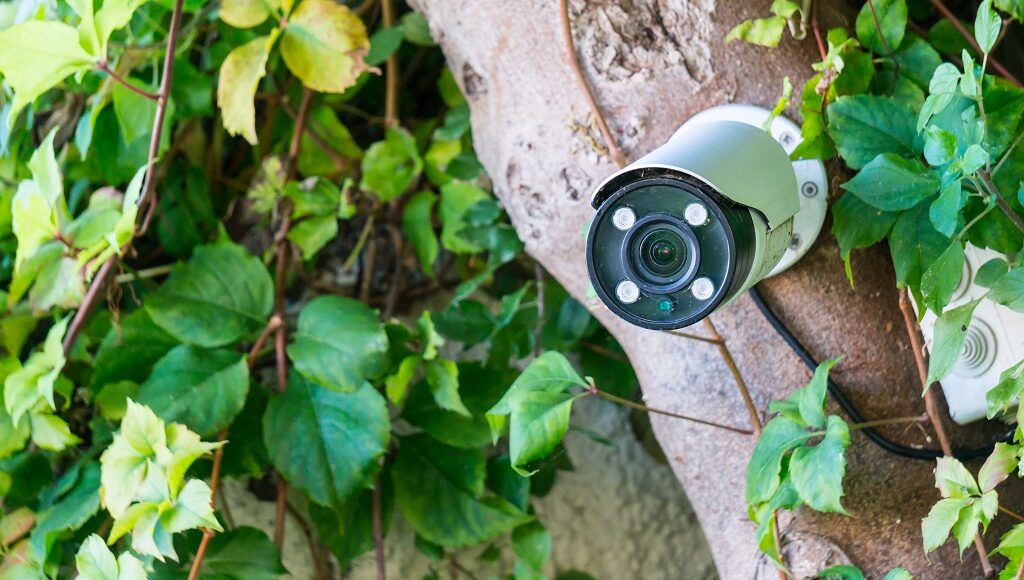
In an age where technology is seamlessly integrated into every aspect of daily life, Home Security tech has become more than just a convenience—it is an essential tool for protecting families, property, and peace of mind. Modern systems go beyond traditional locks and alarms, providing real-time monitoring, automation, and intelligent responses that work around the clock. These technologies have transformed home security from a reactive approach into a proactive, continuous system of protection. Understanding how home security tech functions and the advantages it provides is critical for homeowners who want to safeguard their loved ones in an increasingly unpredictable world.
The Evolution of Home Security Technology
Home security has evolved tremendously over the past decades. Once limited to mechanical locks and basic alarms, today’s systems are highly sophisticated, interconnected, and capable of addressing a broad range of threats.
From Basic Alarms to Smart Systems
Traditional alarms primarily focused on notifying homeowners of intrusions after they occurred. Modern home security tech, however, emphasizes prevention and situational awareness. Smart devices, including cameras, sensors, and smart locks, are integrated to detect threats, alert homeowners instantly, and sometimes even take automated actions to deter potential intruders.
Integration With Everyday Life
Smart home security is no longer a standalone system; it integrates seamlessly with lighting, HVAC, and home automation platforms. This level of integration allows homeowners to maintain control and monitor their property remotely, ensuring safety even when they are away.
Real-Time Monitoring and Alerts
One of the most significant advantages of modern home security tech is its ability to provide real-time monitoring and notifications.
Mobile Apps and Remote Access
Homeowners can now monitor security systems via mobile applications, allowing access to live video feeds, alarm notifications, and device status from anywhere in the world. This instant access enables immediate response to potential threats, whether contacting authorities or taking preventive measures.
Push Notifications and Alerts
Sensors, cameras, and alarms can send instant alerts for events such as door or window breaches, motion detection, smoke, or water leaks. Timely notifications allow families to act quickly, preventing escalation and minimizing risk.
Centralized Security Dashboards
Modern systems often feature centralized dashboards where all devices and alerts are managed. Homeowners can easily check activity logs, monitor multiple cameras, adjust settings, and ensure all components are functioning properly. This centralization enhances efficiency and situational awareness.
Surveillance Cameras and Visual Deterrence
Video surveillance is a cornerstone of effective home security. Beyond recording activity, cameras serve as a visible deterrent to would-be intruders.
High-Resolution and Night Vision
High-definition cameras ensure that all activity is captured clearly, while night vision technology allows homeowners to monitor their property effectively in low-light conditions. Clarity and visibility are crucial for both deterrence and evidence collection.
Motion Detection and Smart Analytics
Advanced cameras incorporate motion detection and analytics to identify unusual movement or loitering behavior. By focusing on relevant events and filtering out normal activity, these cameras reduce false alerts and provide actionable insights for homeowners.
Remote Playback and Recording
Cloud storage solutions allow homeowners to access past footage whenever needed, making it easier to investigate incidents, verify claims, or provide evidence to authorities. These capabilities strengthen overall home security.
Smart Locks and Access Control
Smart locks provide a blend of security, convenience, and control that traditional locks cannot match.
Keyless Entry and Temporary Access
Smart locks enable keyless entry, reducing the risk of lost or stolen keys. Temporary access codes can be granted to visitors, service providers, or delivery personnel, ensuring the home remains secure without restricting necessary access.
Integration With Home Automation
Smart locks can trigger other systems upon activation. For example, unlocking a door might disarm alarms, turn on lights, or adjust climate controls. This integration enhances both security and user convenience, ensuring a coordinated response to activity at entry points.
Activity Logging
Many smart locks log every entry and exit, providing homeowners with a detailed record of access. This feature adds an additional layer of security by allowing users to monitor who enters and leaves the home and at what times.
Environmental Safety Features
Modern home security technology extends beyond intrusions to protect families from environmental hazards.
Smoke, Carbon Monoxide, and Gas Detection
Integrated sensors detect fire, smoke, carbon monoxide, and gas leaks, sending immediate alerts to homeowners. Early detection can prevent injury, property damage, or even fatalities.
Water Leak and Flood Sensors
Water damage can be costly and destructive. Sensors placed in vulnerable areas, such as basements, kitchens, and bathrooms, detect leaks early and notify homeowners, allowing for quick mitigation.
Automated Responses
Some home security systems can automatically trigger responses to environmental hazards, such as turning off water valves during leaks or activating sprinklers during fires. These features combine proactive protection with convenience and safety.
Automation and Intelligent Response
Automation is a defining feature of modern home security technology, enhancing protection and efficiency.
Motion-Activated Lighting
Motion sensors can trigger indoor or outdoor lights when movement is detected, deterring intruders and improving visibility around the home. This automated response helps prevent incidents before they occur.
Smart Alerts Based on Behavior
Home security systems can analyze patterns and identify deviations from normal behavior. Alerts can be generated for unusual activity, such as a door opening at unexpected hours or movement in unoccupied areas, allowing homeowners to respond proactively.
Coordinated Device Responses
Modern systems enable devices to work together automatically. For example, a detected intrusion might activate cameras, trigger alarms, and illuminate surrounding lights simultaneously, creating a multi-layered deterrent.
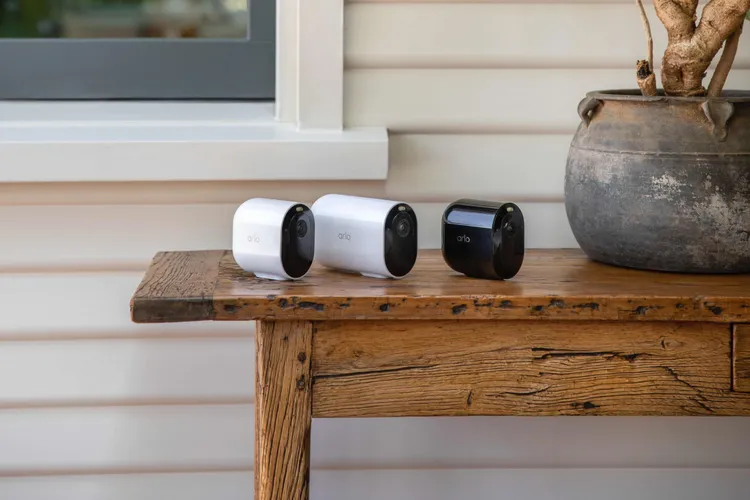
Cybersecurity Considerations
As homes become increasingly connected, cybersecurity has become a critical aspect of protection.
Secure Communication and Encryption
Devices should use strong encryption protocols to prevent unauthorized access. Ensuring secure communication between devices reduces the risk of hacking or remote manipulation of home security tech.
Multi-Factor Authentication
Access to apps and systems should require secure authentication methods, such as passwords combined with biometrics or verification codes. Multi-factor authentication prevents unauthorized access to critical systems.
Firmware Updates and Vendor Support
Regular updates ensure that security devices remain protected against emerging vulnerabilities. Choosing reputable vendors with strong support networks ensures continued reliability and protection.
Community and Neighborhood Integration
Home security tech increasingly integrates with broader community safety networks.
Shared Alerts and Neighborhood Awareness
Some systems allow users to share alerts or suspicious activity with neighbors or community watch groups. Collective monitoring increases situational awareness and deters criminal activity in the area.
Coordination With Local Emergency Services
Advanced systems can automatically alert emergency responders in the event of a verified threat, providing critical information such as location, activity type, and system status. This connectivity enhances response times and effectiveness.
Promoting a Culture of Safety
Using home security technology responsibly can encourage neighbors and communities to adopt similar practices, creating a safer collective environment. Awareness and collaboration amplify the benefits of individual home security efforts.
Maintaining and Updating Home Security Tech
To ensure 24/7 protection, systems must be maintained and updated consistently.
Routine Device Checks
Regularly testing alarms, sensors, cameras, and locks ensures they function correctly. Identifying and addressing issues promptly maintains reliability and effectiveness.
Software and Firmware Management
Updating device software and firmware prevents vulnerabilities and enhances performance. Many systems offer automatic updates, but monitoring and confirming updates remain important.
Adapting to Changing Needs
Home security needs evolve with lifestyle changes, new family members, or modifications to property. Periodically reviewing and upgrading systems ensures ongoing protection and relevance.
Long-Term Benefits of Home Security Technology
Investing in modern home security tech provides both tangible and intangible benefits.
Continuous Protection
Advanced systems provide 24/7 monitoring, automation, and alerts, ensuring families remain protected at all times.
Reduced Stress and Increased Peace of Mind
Knowing that your home is constantly monitored and that threats can be detected early allows homeowners to relax and focus on everyday life without constant worry.
Enhanced Property Value and Insurance Advantages
Homes equipped with comprehensive security technology often enjoy higher resale value and may qualify for insurance discounts, offering long-term financial benefits in addition to safety.
Future Trends in Home Security Tech
As technology evolves, home security will continue to become smarter, more connected, and more intuitive.
AI-Driven Threat Detection
Artificial intelligence will enhance predictive analytics, identifying potential risks before they become incidents. Systems will learn from patterns and provide even more proactive protection.
Advanced Biometric Authentication
Future systems will incorporate advanced facial recognition, voice commands, and other biometrics for secure, convenient access control.
Greater Integration With Smart City Infrastructure
Home security tech will increasingly interact with broader smart city initiatives, including public safety networks, traffic monitoring, and environmental sensors, creating a seamless urban safety ecosystem.
Conclusion
Home security technology has transformed the way families protect their homes and loved ones. By combining surveillance, smart locks, environmental sensors, automation, and cybersecurity, modern systems provide 24/7 protection that goes beyond traditional measures. Avoiding reliance on a single device, ensuring proper maintenance, and integrating technology thoughtfully creates a proactive, reliable, and continuous safety network. As technology continues to evolve, homeowners can expect even greater protection, convenience, and peace of mind. Implementing these strategies today ensures your family remains secure now and well into the future. Whether you’re a beginner or an expert, start from our homepage for best results.
FAQs
How does modern home security tech prevent break-ins?
Modern home security tech prevents break-ins through a combination of deterrence, real-time alerts, automated responses, and monitoring. Cameras, smart locks, and motion sensors create visible and functional barriers, while alerts allow homeowners to act quickly or involve authorities before intrusions escalate.
Can home security systems protect against environmental hazards too?
Yes. Many systems include smoke detectors, carbon monoxide sensors, water leak sensors, and gas detectors. These features provide early warnings and, in some cases, automated responses, protecting families from fires, floods, and other hazards in addition to intrusions.
How do I ensure my home security tech remains reliable 24/7?
Regular maintenance, software updates, device testing, and proper configuration are essential. Integrating redundant power sources, monitoring alerts, and periodically reviewing the system for new vulnerabilities ensures continuous, reliable protection around the clock.