Understanding Seamless Living
In a world where our lives can feel disjointed and hectic, the concept of Seamless Living emerges as a compelling solution. This approach emphasizes the creation of harmonious environments that foster well-being and tranquility. Seamless living is not merely about aesthetics; it's about cultivating spaces that enhance our daily lives through thoughtful design and intentionality.
What is Seamless Living?
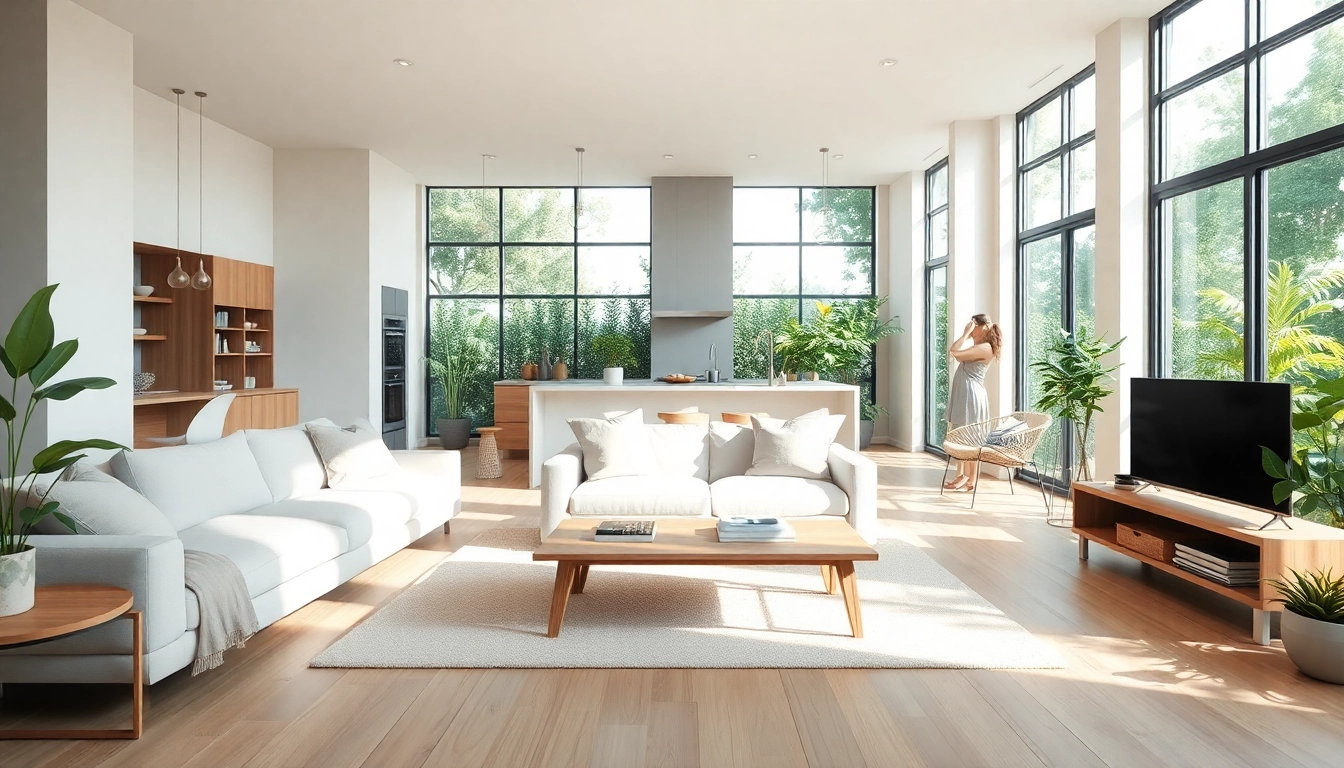
Seamless Living refers to the idea of designing spaces that flow effortlessly. It implies a connection between various functional areas of your home, integrating them into a cohesive whole. This seamless transition can be physical—such as open floor plans that merge the kitchen and living spaces—or visual, achieved through consistent decor themes. Essentially, seamless living aims to break down barriers, making spaces more inviting and conducive to interaction and relaxation.
The Benefits of Seamless Living
Adopting the principles of seamless living offers numerous advantages. First and foremost, it enhances the aesthetic appeal of your home, making it feel larger and more open. This approach can promote better social interactions, as spaces designed for fluidity encourage family gatherings and entertaining. Furthermore, seamless living can improve functionality by eliminating clutter and minimizing the need for unnecessary partitions. Lastly, a well-planned seamless environment can contribute to mental well-being, reducing stress and promoting peace of mind.
Core Principles of Seamless Living
The foundation of seamless living is built on several core principles:
- Flow: Ensuring uninterrupted movement between spaces.
- Cohesion: Utilizing a unified color scheme and décor that ties rooms together.
- Natural Elements: Incorporating light, plants, and organic materials to create a serene atmosphere.
- Functionality: Choosing designs and features that serve dual purposes.
- Accessibility: Adapting spaces to accommodate daily activities smoothly.
Designing for Seamless Living
Choosing the Right Layout
The layout is a pivotal element in achieving seamless living. Open-concept spaces, where kitchen, dining, and living areas merge without barriers, are popular for enhancing the feeling of spaciousness. When planning your layout, consider how the areas will interact. For instance, positioning seating arrangements to foster conversation or ensuring that key passages are unobstructed can significantly impact flow. Exploring spatial zones, wherein functional areas are demarcated while maintaining a sense of continuity, is also beneficial.
Color Schemes for Open Spaces
Color plays an essential role in creating a seamless living environment. Utilizing a harmonious color palette that connects different spaces can help unify your home’s aesthetic. Lighter colors tend to open up areas and create a sense of airiness, while strategically placed accents can add character without overwhelming the senses. To maintain flow, consider transitioning colors gradually from one room to another, or employ a consistent hue across the entire space while varying the shades and tones.
Incorporating Natural Light
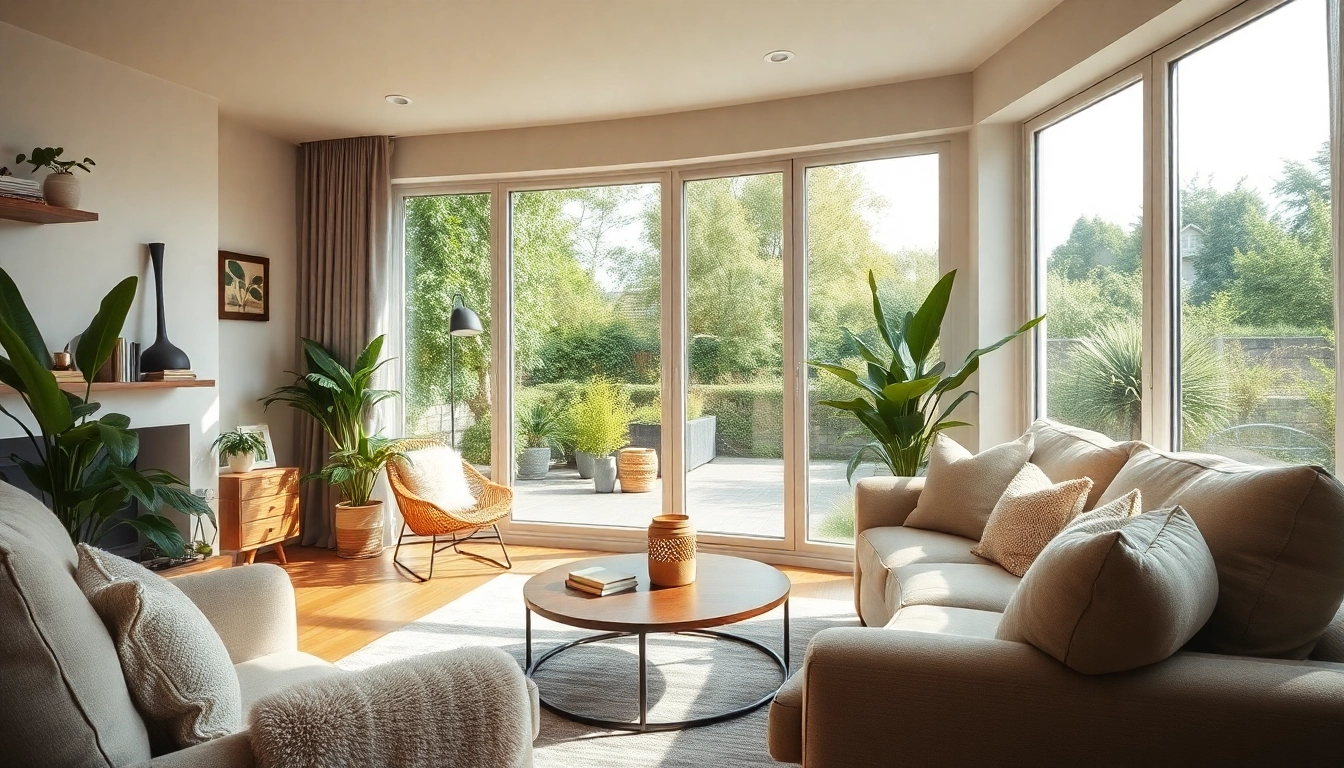
Natural light is a vital component of seamless living. Maximizing daylight through large windows, skylights, and glass doors not only makes spaces more inviting but also enhances mood and well-being. Consider strategically placing mirrors to reflect light and make spaces feel larger. Furthermore, choosing light fabrics for curtains allows for more sunlight to filter in while adding to the aesthetic appeal. Prioritizing natural lighting in your design will create a lively and vibrant home environment.
Furniture and Decor in Seamless Living
Choosing Multi-Functional Furniture
Incorporating multi-functional furniture is crucial for seamless living, particularly in smaller spaces. Furniture that serves more than one purpose can free up valuable space and maintain organization. For example, consider a sofa bed for accommodating guests or an ottoman that doubles as storage. Selecting streamlined, modern pieces minimizes visual clutter and enhances flow, while modular systems can adapt to changing needs, fostering a sense of continuity in design.
Creating Cohesion with Decor
To maintain a cohesive aesthetic, your decor should harmonize with both color schemes and furniture choices. Avoid mixing too many styles, as this can disrupt the seamless feel of your space. Instead, opt for a few key decorative pieces that share a common theme or color palette. For wall decor, a gallery-style arrangement of photos or artwork can create a focal point that still complements the overall design, enhancing the seamless concept.
Textural Elements that Enhance Flow
Incorporating various textures can add depth to a seamless living space while maintaining a cohesive aesthetic. Think about layering different materials, such as soft fabrics, woods, metals, and natural fibers. Providing tactile contrasts—like plush throw pillows on a sleek leather sofa—offers comfort and visual intrigue. This blend of textures creates an inviting environment and encourages exploration throughout the space while keeping the overall design harmonious.
Challenges and Solutions in Seamless Living
Overcoming Space Constraints
One of the primary challenges of seamless living is dealing with limited space. To counter this, consider the importance of vertical space—use tall shelves or wall-mounted cabinets to maximize storage without consuming floor area. Additionally, smart space management techniques, such as decluttering and using storage solutions that blend with your décor, can help maintain a clean and inviting environment. Adopting an open layout can also create the illusion of more space, supporting the seamless living ethos.
Maintaining Flow in Decor
While it’s essential to have unique decor items that reflect personal style, ensuring that they maintain a visual flow can be tricky. To tackle this, establish a clear design theme and stick to it, allowing individual items to reflect this while contributing to the overall harmony of the space. Use design elements like consistent shapes, colors, and materials. Additionally, avoid overcrowding spaces, as this can break the flow and lead to visual clutter.
Managing Clutter in Open Spaces
Open spaces, while inviting, can easily become cluttered without proper management. Implementing smart organizational solutions can mitigate this issue. Use decorative baskets for throws or books, and select furniture that includes built-in storage. Establishing designated zones for specific activities can also help minimize clutter, keeping various items organized and easily accessible. Regular decluttering sessions can help maintain the seamless experience and ensure that each area serves its intended purpose.
Real-Life Examples of Seamless Living
Case Studies of Successful Designs
Examining successful case studies of seamless living can provide valuable insights. One notable example includes urban lofts that transform former industrial spaces into modern homes. These designs often feature open layouts with large windows, showcasing how combining rustic charm with contemporary aesthetics can create a vibrant seamless environment. Such spaces typically emphasize flow through thoughtful placement of furniture and decor, demonstrating how versatile and liveable a seamless design can be.
Learning from Renovation Projects
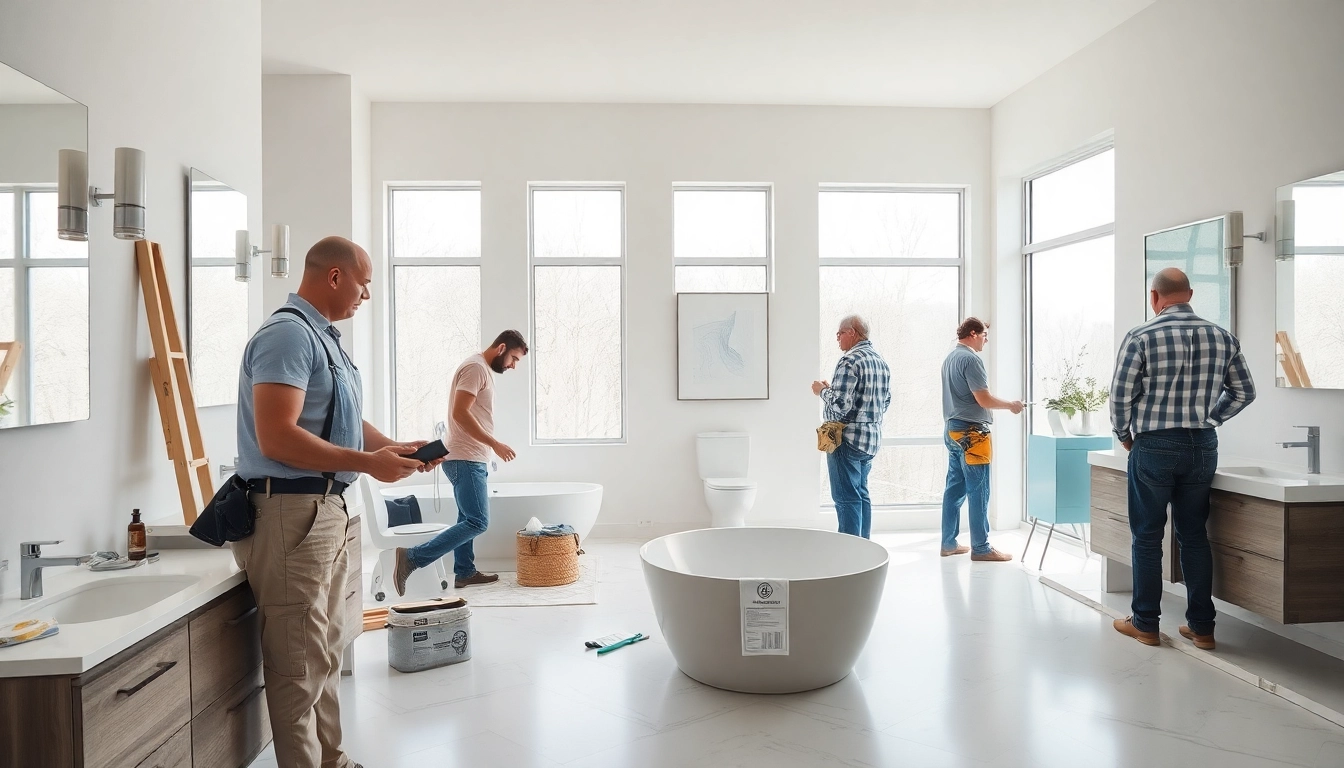
Renovation projects often spotlight the importance of seamless living. Homeowners frequently merge smaller, isolated rooms into larger, multifunctional areas, enhancing their home’s functionality. A successful kitchen remodel that opens into a living room creates an ideal space for entertaining while streamlining daily tasks. These projects underscore the value of cohesive design choices that promote flow, accessibility, and visual consistency throughout the home.
Inspiration from Contemporary Houses
Contemporary homes exemplify the principles of seamless living through their innovative designs. Many modern residences prioritize wide-open spaces filled with natural light, using materials that promote aesthetic continuity, such as hardwood floors that extend throughout the house. Additionally, these homes maximize outdoor spaces, seamlessly integrating gardens or terraces with indoor living areas. Observing contemporary designs serves as fantastic inspiration for anyone looking to embrace seamless living principles in their own abode.
Frequently Asked Questions
What is the main idea behind seamless living?
Seamless living focuses on creating harmonious environments that enable fluid transitions between spaces, enhancing comfort and functionality in your home.
How can I create a seamless flow in my home?
Choose an open layout, maintain a consistent color palette, and select multi-functional furniture to enhance visual flow and functionality.
What benefits does seamless living provide?
Seamless living enhances aesthetic appeal, promotes social interactions, improves functionality, and contributes to mental well-being.
How do I manage clutter in open spaces?
Use smart storage solutions, establish designated zones, and regularly declutter to maintain organization in open spaces.
Can I achieve seamless living in a small space?
Yes! Focus on maximizing vertical space, use multi-functional furniture, and maintain an open layout to create a seamless living environment in small areas.