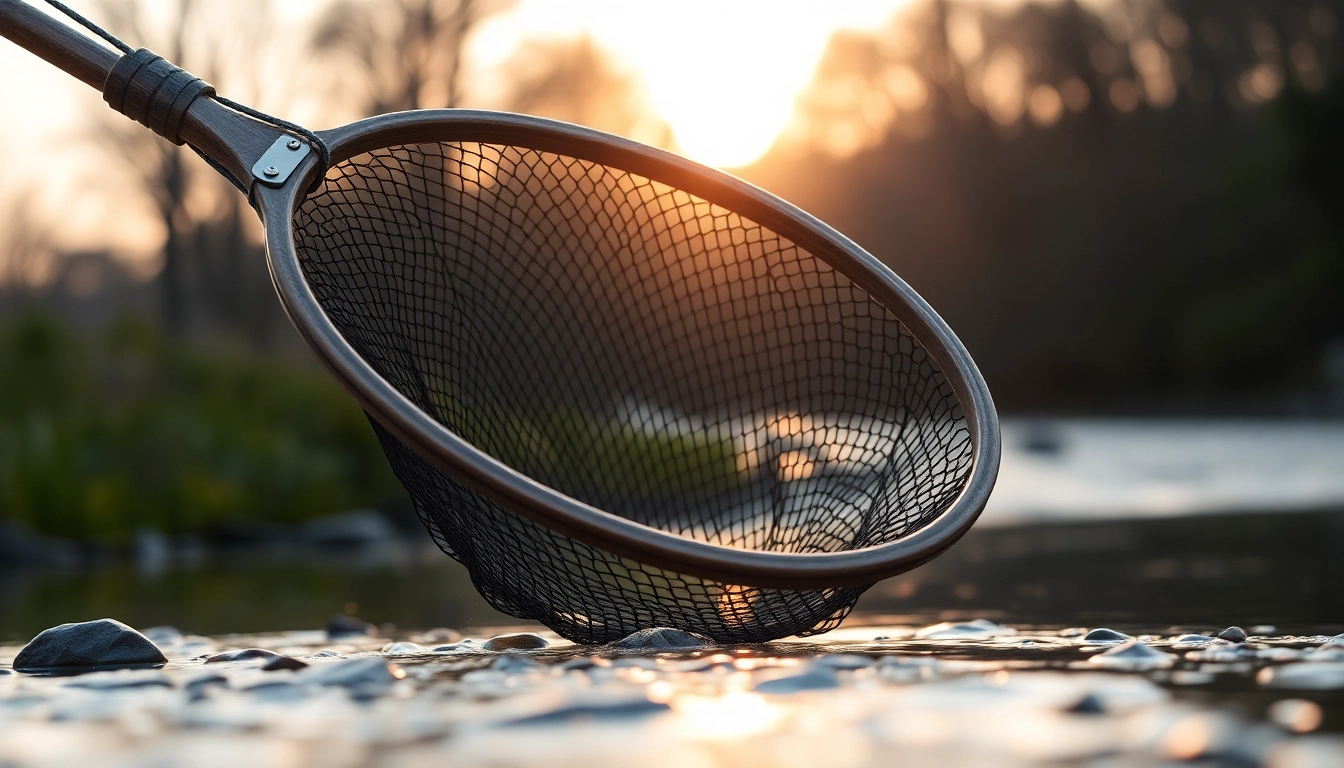
Understanding Fly Fishing Nets
When it comes to the art of fly fishing, having the right equipment is vital. One of the most important tools in an angler's arsenal is the Fly fishing net. Choosing the appropriate net can significantly improve your catch and retention, ensuring that both the fish and the angler have a positive experience. In this comprehensive guide, we will delve into the intricacies of fly fishing nets, their types, benefits, maintenance, and FAQs.
What is a Fly Fishing Net?
A fly fishing net is specifically designed for landing fish caught during fly fishing. Unlike conventional fishing nets, which may entangle or injure fish, fly fishing nets are typically constructed with rubberized mesh or knotless designs. This minimizes harm to fish, particularly for those engaged in catch-and-release practices. Most fly fishing nets feature a handle and a hoop, where the netting is suspended, making it simple to scoop fish from the water.
Types of Fly Fishing Nets
Fly fishing nets come in various designs, each tailored for specific fishing scenarios:
- Landing Nets: These are the most common nets, used to secure fish that are caught. They feature a hoop with a net attached and a handle that can vary in length.
- Boat Nets: Made for anglers who fish from boats, these nets are typically shorter and more compact to facilitate easy handling.
- Brook Nets: Designed with smaller hoops and a lightweight build, brook nets are perfect for small streams or when targeting smaller fish.
- Carp Nets: These nets are larger and sturdier, designed specifically to handle the size and weight of carp.
Materials Used in Fly Fishing Nets
The choice of materials in fly fishing nets can greatly affect their performance:
- Wood: Classic wooden frames often provide aesthetic appeal and durability. They are heavier than their plastic counterparts but are known for their strength.
- Aluminum: Lightweight and corrosion-resistant, aluminum frames are popular for their ease of use and portability.
- Plastic: Composite plastic nets can be lightweight and affordable but may not be as robust as those made from metal or wood.
- Rubberized Mesh: This type of netting is preferred as it reduces stress on fish and prevents hooks from getting caught.
How to Select the Right Fly Fishing Net
Choosing the right fly fishing net is crucial for the angler's success and the well-being of the fish. Here are important considerations to keep in mind:
Factors to Consider
Several factors contribute to the effectiveness of a fly fishing net:
- Fish Size: Select a hoop size appropriate for the target species. For instance, small trout may require nets with a hoop size of 8-15 inches, while larger species may necessitate nets with a hoop size of over 20 inches.
- Water Types: Consider where you’ll be fishing. A net for still waters might differ from one suited for fast-flowing streams.
- Material: Choose materials that offer durability while providing an effective catch-and-release option.
- Weight: Lightweight nets are easier to handle and carry, especially during long treks.
Common Mistakes to Avoid
New anglers may fall into certain traps when selecting their nets:
- Ignoring Net Size: Selecting a net too small for the type of fish can lead to difficulties in landing your catch.
- Overlooking Net Material: Using nets with harmful materials can hurt the fish and defeat the purpose of catch-and-release.
- Neglecting Handle Length: An inappropriate handle can make it difficult to net fish effectively, particularly in rapid waters.
Best Practices for Choosing
To ensure you select the most suitable fly fishing net:
- Assess the typical species you target and tailor your net selection accordingly.
- Try out different handle lengths to see what feels most comfortable.
- When possible, invest in high-quality, well-reviewed nets to ensure durability.
- Consider eco-friendly options that minimize harm to aquatic life.
Benefits of Using a Fly Fishing Net
Employing a fly fishing net presents several advantages:
Catch and Release Techniques
Using a fly fishing net dramatically enhances catch-and-release practices. By minimizing the time a fish spends out of water, the net allows for smoother handling, reducing stress and increasing the chances of survival post-release.
Protecting Fish with the Right Net
Using a net with a rubberized mesh or knotless design helps protect the fish's delicate skin and scales, significantly lowering the risk of injury during the landing process.
Improving Your Fishing Experience
Having a proper net means frustration is less likely when you hook a fish, increasing the overall enjoyment of the fishing experience. You can focus on technique and the thrill of the catch without added worries.
Maintaining Your Fly Fishing Net
Proper maintenance of your fly fishing net ensures longevity and optimal performance:
Cleaning Techniques
After each fishing trip, rinse your net with freshwater to remove debris, sand, and organic matter. Avoid using harsh detergents that can damage the netting material.
Storage Tips
Store your net in a dry place where it won't be exposed to direct sunlight or moisture to prevent any rust or deterioration of materials.
Repairing Damages
If your net becomes damaged, address repairs as soon as possible. Small tears can often be sewn or mended, while frames may require replacement parts found in sporting goods stores.
FAQs About Fly Fishing Nets
What is the ideal size for a Fly fishing net?
The ideal net size depends on your target species. For small trout, a hoop size of 8-15 inches is sufficient, while larger species require a hoop size of over 20 inches.
Can I use any Fly fishing net for all fish species?
Not all nets are suitable for every species. It's essential to match the net size to the type of fish you plan to catch to ensure effective landing.
Why is rubber mesh better for Fly fishing nets?
Rubber mesh minimizes damage to fish, reducing the risk of catching hooks, and helps retain fish moisture, increasing survival rates post-catch.
How do I properly store my Fly fishing net?
Store your net in a dry, cool place, free from direct sunlight. Ensure nets are clean and dry to prevent mold or deterioration of materials.
Are there eco-friendly Fly fishing nets available?
Yes, many brands offer eco-friendly nets made from sustainable materials designed to reduce harm to fish populations and habitats.