
Essential Elements of Effective Construction Safety Training
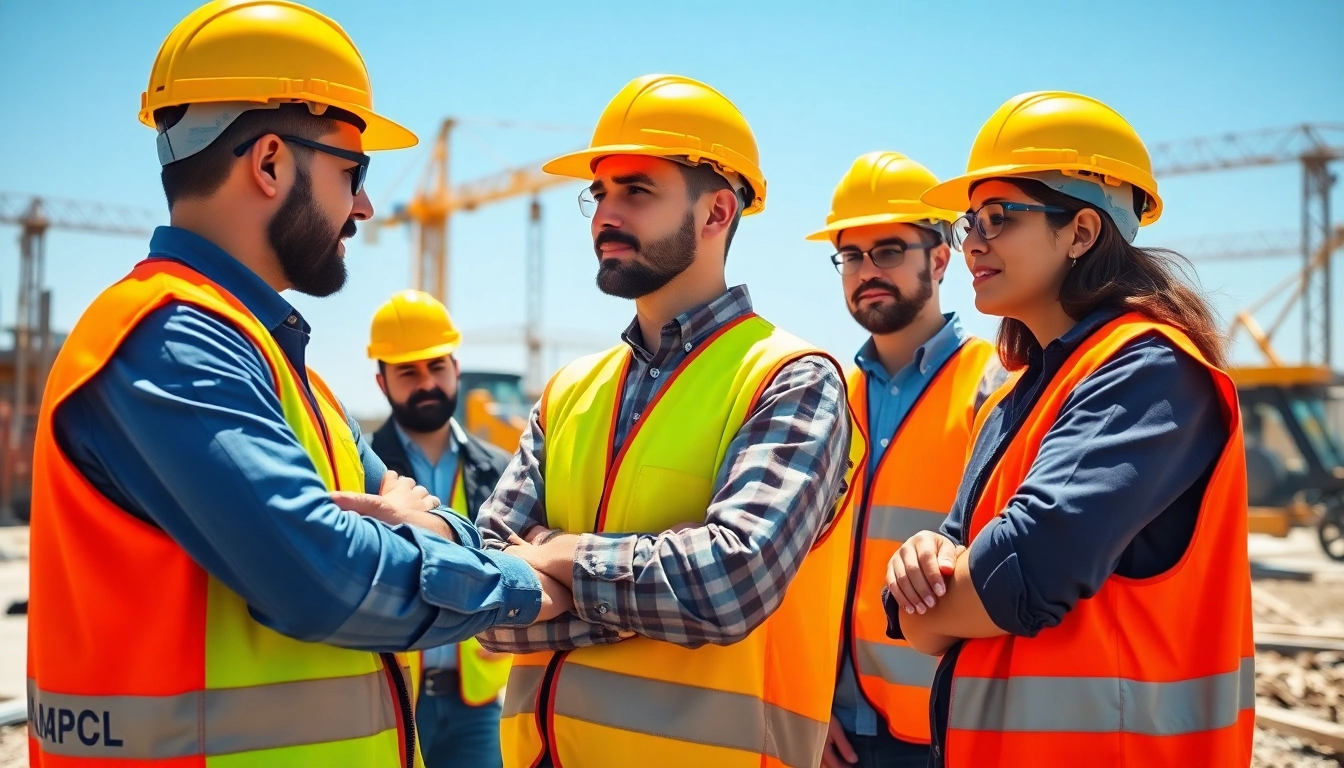
Understanding Construction Safety Training
Construction safety training is a critical component of ensuring the well-being of workers on job sites across various construction disciplines. Employee safety margins may be narrow in construction operations due to the variety of hazardous conditions workers encounter daily. Providing construction safety training helps in mitigating risks and promotes a culture of safety that benefits both the workers and the organization. This article delves into the significance of providing effective training, the regulatory frameworks that govern it, and the essential components that constitute a holistic training program.
Importance of Construction Safety Training
The construction industry is rife with potential hazards, including the risk of falls, exposure to harmful substances, and equipment-related injuries. According to statistics, the construction sector consistently ranks among the highest for workplace fatalities and injuries. Therefore, implementing rigorous construction safety training is imperative not only for legal compliance but also for reducing accidents and promoting a safety-first mindset among employees.
Key Components of Effective Training Programs
An effective construction safety training program typically includes:
- Regulatory Guidelines: Training should align with OSHA standards and federal regulations that govern workplace safety.
- Hands-On Training: Practical sessions that involve real-life scenarios and simulations to reinforce learning.
- Regular Updates: Training programs should evolve to include new safety practices and technologies as they become available.
- Assessment Methods: Evaluating the understanding and retention of knowledge through tests and feedback mechanisms ensures participants grasp essential content.
Regulations and Compliance Standards
Compliance with OSHA regulations is fundamental to any construction safety training program. OSHA sets forth guidelines that aim to protect workers from safety and health hazards. Familiarity with these regulations ensures that construction safety training programs not only safeguard employees but also help organizations maintain compliance with federal and state laws, thereby avoiding hefty fines and legal issues.
Identifying Common Hazards in Construction
Understanding the specific hazards inherent in construction work is vital for developing targeted training programs. Identifying these hazards enables organizations to tailor their safety training effectively.
Types of Hazards Workers Face
Common hazards in the construction sector include:
- Falls: The leading cause of fatalities in construction. Safety measures such as harnesses, guardrails, and safety nets can prevent accidents.
- Electrocution: Injuries due to electric shock are preventable with proper training on working safely around electrical installations.
- Struck-By Incidents: Being hit by falling objects or equipment is prevalent. Training should emphasize the use of hard hats and maintaining work zones.
- Health Hazards: Exposure to harmful chemicals and materials (like asbestos) requires knowledge of handling procedures and protective gear.
Assessing Risk Levels
Once hazards are identified, performing a risk assessment allows organizations to prioritize which training topics are most pressing. Techniques for effective risk assessment include:
- Job Hazard Analysis (JHA): Evaluating tasks for potential hazards and deciding on preventative measures.
- Regular Site Inspections: Conducting frequent checks to identify any environmental changes that may introduce new risks.
- Employee Feedback: Encouraging workers to report unsafe conditions based on their day-to-day experiences.
Implementing Prevention Strategies
To counter identified hazards, organizations can implement various strategies, such as:
- Engineering Controls: Redesigning equipment or altering the work environment to reduce exposure to hazards.
- Administrative Controls: Establishing policies and procedures that limit exposure through scheduling or training.
- PPE: Using personal protective equipment like helmets, gloves, and safety goggles to shield employees from hazards.
Creating a Comprehensive Training Curriculum
A successful construction safety training program is not a one-size-fits-all model. It requires customization based on the specific needs of the workplace, the characteristics of the workforce, and the type of construction activities being performed.
Fundamentals of Safety Training Design
When designing a training curriculum, consider the following fundamentals:
- Needs Assessment: Determine what training is required based on past incidents, current standards, and employee feedback.
- Material Development: Create engaging and informative training materials that accomplish the learning objectives while catering to different learning styles.
- Methodology: Choose instructional methods that resonate with learners, which may include lectures, group discussions, and hands-on activities.
Utilizing Modern Training Techniques
Modern training methodologies have proven successful in enhancing the effectiveness of construction safety training. Consider incorporating techniques such as:
- Collaboration and Workshops: Group activities encourage teamwork and problem-solving regarding safety issues.
- Blended Learning: Combining online courses with in-person training increases flexibility and accessibility.
- Gamification: Using game elements in training can enhance engagement and retention of safety practices.
Evaluating Training Effectiveness
Evaluating the impact of training sessions is crucial for continuous improvement. Possible evaluation techniques include:
- Pre- and Post-Training Assessments: Measuring knowledge gained through testing ensures the effectiveness of the training.
- On-the-Job Observations: Monitoring employee behavior post-training helps identify areas where additional reinforcement may be required.
- Incident Tracking: Recording safety incidents can provide insight into the training program’s effectiveness in changing behaviors.
Leveraging Technology in Construction Safety Training
As technology advances, incorporating these tools into construction safety training can significantly enhance learning outcomes and the overall training experience.
The Role of E-Learning Platforms
E-learning platforms provide flexible training options that allow employees to complete safety training at their own pace. Online courses can cover a wide range of topics, supplementing traditional training methods and ensuring all employees have access to essential safety information regardless of their work schedule.
Virtual Reality in Safety Practices
Virtual reality (VR) technology offers immersive experiences that simulate hazardous situations without exposing workers to real risks. Training that utilizes VR can improve hazard recognition skills and response to emergencies.
Mobile Applications for On-Site Training
Mobile applications enable on-the-spot access to training materials and safety checklists, allowing workers to brush up on safety protocols in real time and reinforcing training on site.
Best Practices for Sustaining Safety Training
Hinging the success of construction safety training is a commitment to continuous learning and adaptation. Sustaining this commitment involves various strategies aimed at keeping safety at the forefront of company culture.
Engaging Workers in Continuous Learning
Encouraging employees to engage in ongoing safety education outside formal training sessions can be facilitated through:
- Regular Safety Meetings: Holding frequent meetings can keep safety top of mind and provide avenues for sharing experiences and lessons learned.
- Incentives for Safe Practices: Recognizing employees for outstanding safety performance fosters a positive safety culture.
- Elective Training Opportunities: Providing advanced workshops or specialized training keeps knowledge fresh and demonstrates a commitment to worker safety.
Monitoring Compliance and Improvements
Establishing a robust monitoring system for compliance with safety standards can help organizations maintain high training standards and ensure that training is effectively applied. This can include:
- Regular Audits: Conducting safety audits allows organizations to identify gaps in training and compliance on site.
- Documentation of Training Records: Keeping detailed records ensures all employees are up to date with required training and refresher courses.
- Incident Analysis: Reviewing incidents to understand causes and enhance future training modules based on lessons learned.
Creating a Safety-First Culture
Ultimately, the most effective way to sustain safety training is to instill a safety-first culture within the organization. This can be achieved through:
- Leadership Commitment: When leadership prioritizes safety, it sets a precedent for all employees to follow.
- Employee Involvement: Encouraging all workers to participate in safety committees promotes shared responsibility for safety practices.
- Feedback Mechanisms: Providing anonymous ways for employees to express concerns about safety can help leadership address issues promptly and effectively.
In conclusion, the integration of structured, comprehensive, and engaging construction safety training is essential to minimizing risks within the construction industry. By focusing on the unique challenges and continuously adapting to the evolving nature of work environments, employers can foster safer working conditions and improve the health and productivity of their workforce.