Introduction to Light & airy photography
Light & airy photography is a unique style that emphasizes brightness and softness, producing images with a dreamlike quality. This photography style is characterized by well-lit scenes, a pastel color palette, and an overall sense of calm and serenity. Photographers who master this technique can create images that are not only visually appealing but also convey emotions effectively. This guide explores the fundamentals, techniques, challenges, and inspirations related to Light & airy photography, helping you to capture stunning images that resonate with viewers. To get started, you can delve deeper into Light & airy photography and what it entails.
Understanding the Basics of Light & airy photography
The core principle of Light & airy photography is the use of natural light to create soft, unassuming images. This style thrives on capturing the essence of the moment rather than relying heavily on harsh contrasts or artificial elements. To understand this photography approach, it’s essential to grasp the following basics:
- Natural Light: Utilizing natural light is fundamental; it softens shadows and enhances the ethereal feel.
- Composition: Simple, uncluttered compositions work best, allowing the subjects to shine without distractions.
- Color Palette: Light & airy images often feature pastel tones, whites, and soft neutrals that create a harmonious aesthetic.
The Importance of Lighting
Lighting is arguably the most critical factor in achieving the Light & airy style. It dictates how colors are perceived, the mood of the photograph, and the overall quality of the image. Ideal conditions for this photography style typically involve:
- Golden Hour: The hour shortly after sunrise or before sunset, where the light is soft and warm.
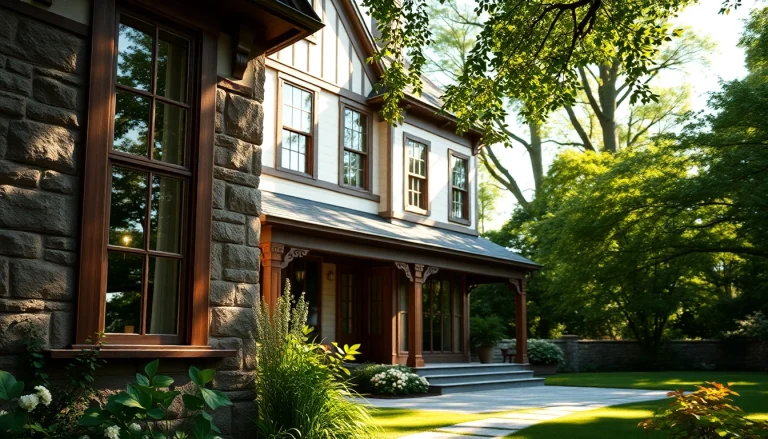
- Shade: Shooting in shaded areas helps diffuse harsh sunlight, producing softer shadows.
- Diffused Light: Overcast days provide an excellent opportunity for this style, as clouds naturally diffuse the sunlight.
Key Elements to Achieve a Light & airy Aesthetic
To achieve the distinct Light & airy aesthetic, photographers should focus on specific elements, including:
- Subject Matter: Select subjects that invoke a light, playful feeling, such as children, flowers, and soft fabrics.
- Background: Incorporate minimalistic backgrounds that enhance, rather than detract from, the subject.
- Editing Techniques: Editing plays a significant role in refining Light & airy images post-shoot.
Techniques for Mastering Light & airy photography
Choosing the Right Location
The right location can make or break a Light & airy photography session. When selecting sites, consider areas with:
- Open Spaces: Parks, beaches, or open fields are excellent as they allow for ample natural light.
- Neutral Backdrops: Locations with soft colors or simple designs help maintain the airy feel.
- Varied Textures: Incorporate natural textures like trees, grass, or water to add dimension without overcrowding the scene.
Camera Settings for Optimal Results
To capture images that align with the Light & airy aesthetic, certain camera settings should be optimized:
- Aperture: Use a wide aperture (e.g., f/2.8 to f/4) to achieve a shallow depth of field, creating a dreamy background blur.
- ISO: Keep the ISO low to avoid noise; high ISO can detract from the soft feeling of the images.
- Shutter Speed: Use a shutter speed that complements the lighting; typically, faster speeds are preferable when shooting in bright conditions.
Editing Tips to Enhance Light & airy Effects
Post-processing is essential in Light & airy photography. Here are some effective editing techniques:
- Brightness and Contrast: Slightly increase brightness and reduce contrast to maintain a soft look.
- Saturation Control: Lightly boost saturation for colors while avoiding overly vibrant outcomes.
- Soft Presets: Utilize presets or custom filters designed for Light & airy photography to streamline editing and achieve consistent results.
Challenges in Light & airy photography
Common Obstacles Photographers Face
While pursuing Light & airy photography, photographers may encounter challenges such as:
- Inconsistent Lighting: Weather conditions can change rapidly, affecting the light quality needed for photos.
- Busy Backgrounds: Locations with distracting elements can compete with the main subject.
- Subject Movement: Capturing subjects that move unpredictably can lead to compromised image quality.
Overcoming Lighting Issues
Overcoming lighting issues requires adaptability. Here are some strategies:
- Use Reflectors: Utilize reflectors to bounce light onto your subject, enhancing brightness.
- Adjust Shooting Time: If conditions are suboptimal, reschedule for better light availability.
- Post-Editing Adjustments: Use editing software to rectify minor lighting issues, enhancing the overall effect.
Managing Environmental Factors
Environmental factors can also obscure the Light & airy vision. Here’s how to effectively address them:
- Choosing the Right Season: Spring and summer typically provide the brightest, most favorable conditions.
- Utilizing Natural Elements: Incorporate elements such as trees or structures to manipulate natural light and reduce harsh shadows.
- Giving Instructions to Subjects: Direct your subjects to pose or move in ways that follow the light direction for the best outcome.
Inspiration and Styles in Light & airy photography
Stylish Themes for Your Sessions
Finding your niche within Light & airy photography can be both exciting and creatively fulfilling. Below are some stylish themes that work exceptionally well:
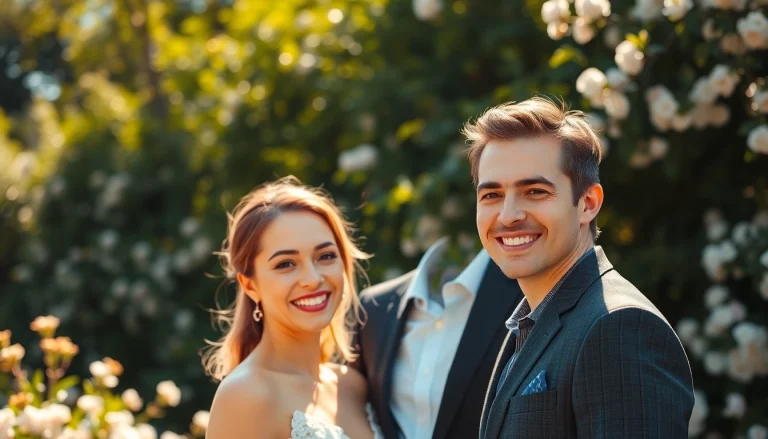
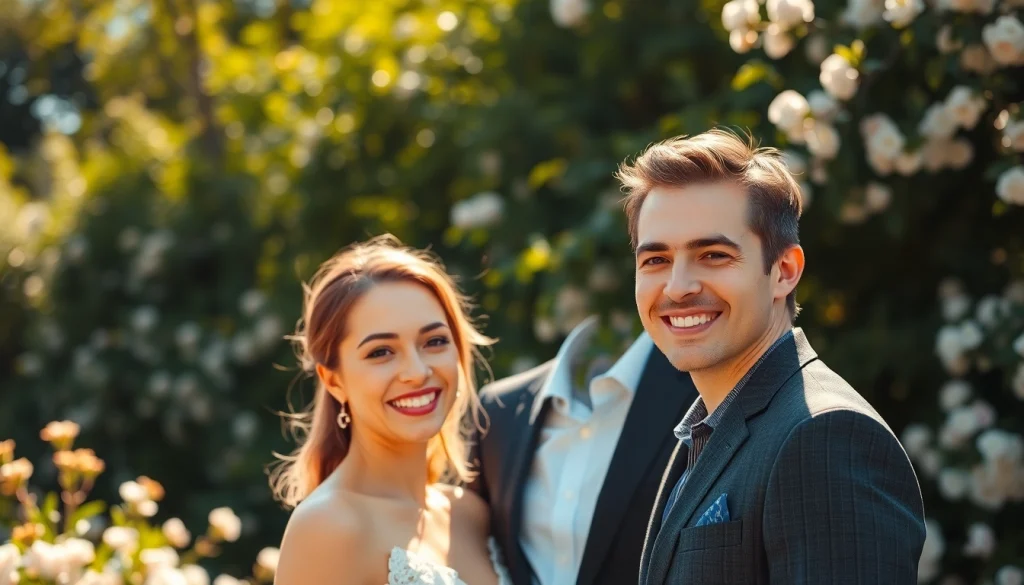
- Weddings: Capture the bride and groom in soft, romantic lighting that highlights their emotions.
- Children’s Portraits: Use playful settings to frame children in a light-hearted manner.
- Nature Photography: Focus on flowers, landscapes, and other natural elements that reflect the light & airy vibes.
Showcasing Real-Life Examples
Many photographers have achieved stunning Light & airy photography results. Reviewing their portfolios can inspire your creative process:
- Nature Enthusiasts: Many have captured striking landscapes with soft tones that highlight the beauty of nature.
- Family Photographers: Numerous professionals excel in capturing families in natural light, enhancing joy and warmth.
- Fashion Shoots: Many fashion photographers incorporate Light & airy styles to portray garments with a unique, ethereal quality.
Developing Your Unique Light & airy Style
As you explore Light & airy photography, developing your own unique approach is crucial:
- Experimenting with Angles: Test various perspectives to discover which angle provides the best light and composition.
- Color Choices: Understand the color schemes that resonate with you and enhance the airy feel.
- Creating a Signature Look: Consistency in editing and style helps establish your signature in the photography community.
FAQs About Light & airy photography
What is Light & airy photography?
Light & airy photography focuses on creating soft, bright images by utilizing natural light, pastel colors, and minimalistic compositions to capture a serene aesthetic.
How can I achieve a light & airy look in my photos?
To achieve this look, focus on shooting during golden hour, using a wide aperture, incorporating light colors, and editing to soften the overall image.
What editing software is best for enhancing Light & airy photography?
Popular options include Adobe Lightroom and Photoshop, which provide advanced tools and presets suitable for creating light and airy aesthetics.
Which settings on my camera should I use for Light & airy photography?
Use a wide aperture (f/2.8 or wider), low ISO to minimize noise, and adjust shutter speed based on lighting conditions for optimal results.
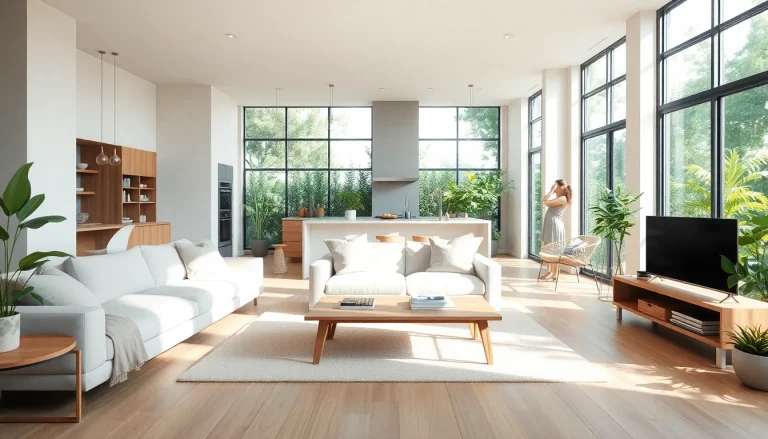
Can I create a Light & airy effect in indoor photography?
Yes, you can achieve a light & airy effect indoors by using large windows for natural light, soft fabrics for backgrounds, and light editing techniques.