The Importance of Crawl Space Restoration
Maintaining the integrity of your home requires vigilant attention to its various components, and one often-overlooked area is the crawl space. A well-managed crawl space can significantly enhance the value of your property while also ensuring a healthier living environment. Proper Crawl Space Restoration is key to achieving this goal. Let’s dive deep into why this process is essential, explore common issues that plague crawl spaces, and outline the steps necessary for effective restoration.
Understanding Crawl Space Damage
Crawl space damage can take a variety of forms, including structural harm, water infiltration, and pest infestations. These concerns often arise from a lack of proper ventilation, insufficient insulation, or water drainage issues. Over time, these factors can lead to significant deterioration, affecting the overall health of your home.
Health Risks Associated with Neglected Crawl Spaces
Neglected crawl spaces pose several health risks to occupants. The accumulation of moisture in these areas can lead to the growth of mold and mildew, which can trigger respiratory issues and allergies. Further, these spaces can become breeding grounds for pests, spreading allergens and diseases. Regular maintenance and restoration of your crawl space are critical to mitigating these health hazards.
Benefits of Crawl Space Restoration
The advantages of crawl space restoration extend beyond aesthetics. By addressing issues like moisture and pest control, homeowners can improve indoor air quality, increase energy efficiency, and prolong the lifespan of structural components. Additionally, a well-maintained crawl space can enhance the resale value of a home, making it a worthwhile investment.
Identifying Common Crawl Space Problems
Recognizing the signs of damage and deterioration in your crawl space is the first step in effective restoration. Here we discuss the most common problems to look out for.
Signs of Water Damage
Water damage is often the leading issue in crawl spaces. Homeowners should look for visible signs such as puddles, damp spots, or stains on walls and floors. Listen for unusual sounds, like dripping water, which may indicate leaks or plumbing issues. These symptoms require immediate attention to prevent further damage.
Mold and Mildew Growth Indicators
Mold and mildew thrive in damp conditions. If you notice a musty odor or see dark spots on wooden beams, it’s likely that mold is present. Mold can compromise the structural integrity of your home and pose serious health risks, making early detection vital.
Pest Infestations in Crawl Spaces
Another common issue in crawl spaces is pest infestations. Termites, rodents, and insects can find these areas accommodating. Look for droppings, gnaw marks, and nests, as these are indicators of a pest problem requiring professional intervention.
Steps for Crawl Space Restoration
Restoring your crawl space can seem daunting, but following a systematic approach can simplify the process. Here are key steps to consider.
Preparation and Safety Measures
Before beginning the restoration, ensure you take appropriate safety measures. Wear protective gear, including gloves, masks, and goggles. Conduct a thorough inspection of the crawl space and document any damage or infestations. Addressing safety concerns upfront is essential for a successful restoration.
Effective Cleaning Techniques
Once you’ve assessed the damage, it’s time for cleaning. Begin by removing any standing water and debris. Utilize a wet/dry vacuum for efficiency. Afterward, scrub surfaces to eliminate mold and mildew with a mixture of water and detergent. For persistent mold, consider using specialized cleaning products designed for mold remediation.
Implementing Moisture Control Solutions
Moisture control is fundamental to preventing further damage. Consider installing a vapor barrier to minimize humidity and condensation. Additionally, ensure that drainage is effective and that gutters are functioning correctly to divert water away from the foundation. If moisture issues persist, you may need to install a sump pump.
Choosing the Right Materials for Restoration
The materials you select for your crawl space restoration can make a significant difference in longevity and effectiveness. Here are options worth considering.
Insulation Options for Crawl Spaces
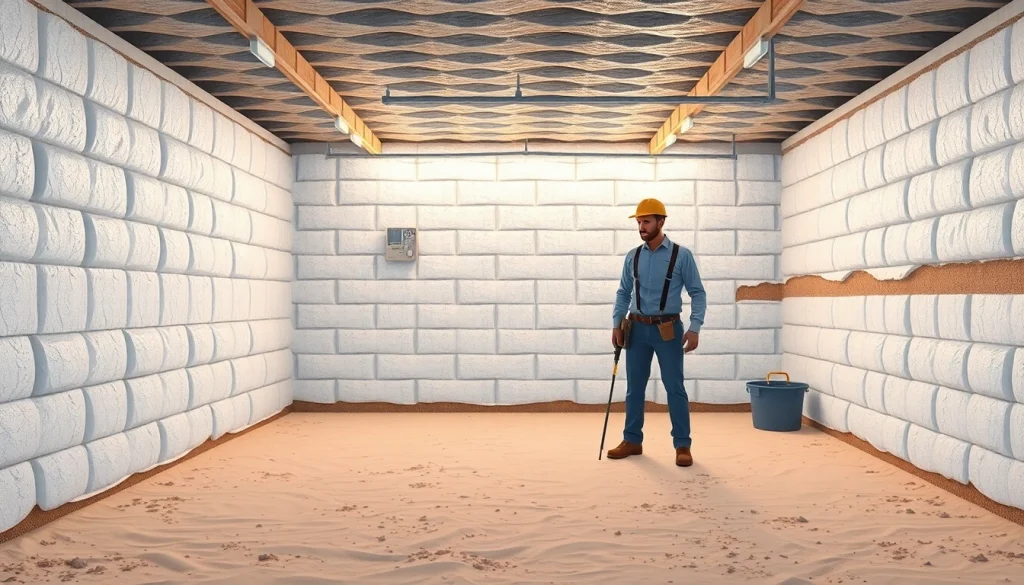
Proper insulation is crucial in maintaining temperature and preventing moisture accumulation. Foam board insulation and fiberglass batts are popular choices that provide a good balance of thermal resistance and moisture control. Ensure that insulation is installed correctly to maximize effectiveness.
Durable Flooring Solutions
Choosing the right flooring material for the crawl space can prevent further damage. Consider using concrete or treated plywood, which can resist moisture and provide sturdiness. Avoid traditional wood flooring, which is prone to rot and insect damage.
Choosing Mold-Resistant Products
In areas prone to mold growth, choosing mold-resistant materials is essential. Look for paints, sealants, and construction materials labeled as mold-resistant. These products can significantly reduce the risk of future mold issues and enhance the overall safety of your home.
Maintaining Your Restored Crawl Space
Once your crawl space has been restored, ongoing maintenance is crucial to keep it in good condition. Here are some practical tips for maintaining your crawl space.
Regular Inspection and Maintenance Tips
Conducting regular inspections of your crawl space can help identify problems early. Make a habit of checking for signs of water damage, mold growth, and pests at least biannually. Keep the area clean and well-ventilated to minimize moisture buildup.
Signs You Need Professional Help
Some issues may require professional intervention. If you notice extensive mold growth, persistent water leaks, or significant pest infestations, it’s prudent to call experts. Ignoring these signs can lead to more severe damage and higher restoration costs.
Long-term Benefits of Regular Upkeep
Maintaining your crawl space is not just about addressing immediate concerns. Regular upkeep can lead to improved air quality, lower energy bills, and enhanced property value. Investing time and resources in maintenance will pay dividends in the long run.
Frequently Asked Questions
What causes crawl space damage?
Crawl space damage can be caused by poor drainage, high humidity, pest infestations, and improper ventilation, leading to structural issues and health risks.
How can I tell if my crawl space has mold?
Look for signs like a musty odor, dark spots on wood, or a high level of humidity. Visual inspection and air quality tests can confirm mold presence.
Is crawl space insulation necessary?
Yes, insulation helps maintain temperature and reduces moisture, preventing issues like mold and wood rot, making it a vital component of crawl space management.
How often should I inspect my crawl space?
It is advisable to inspect your crawl space at least twice a year, ideally in spring and fall, to identify potential problems before they escalate.
Can I perform crawl space restoration myself?
While homeowners can handle minor issues, significant problems like extensive mold or structural damage often require professional assessment and intervention for safety.