Anxiety Symptoms That Impact Work and Relationships
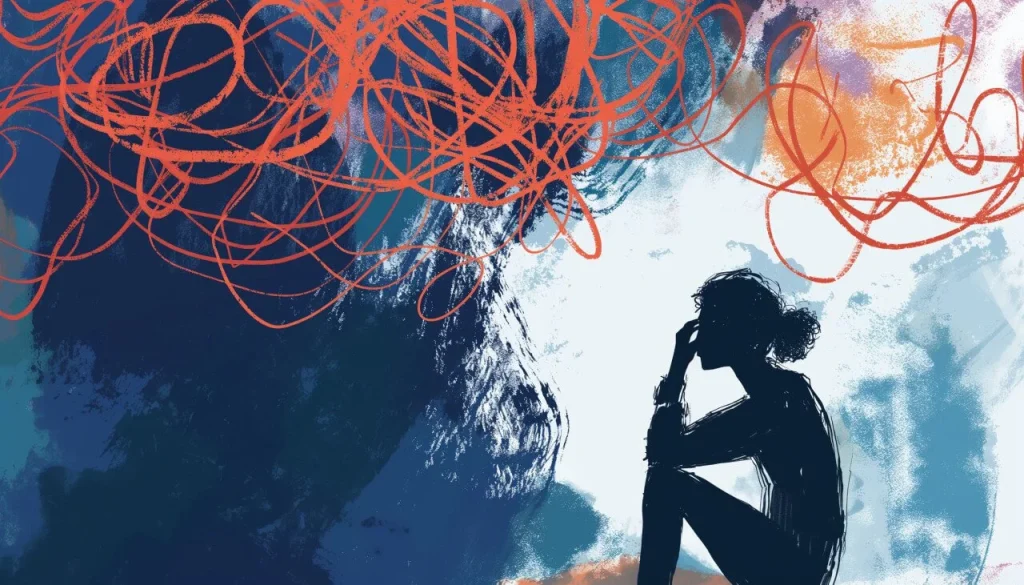
Anxiety can affect more than internal thoughts and emotions—it often influences daily functioning, including work performance and personal relationships. Recognizing Anxiety symptoms that interfere with these areas is critical for maintaining productivity, connection, and overall well-being. Understanding these patterns allows individuals to respond proactively and seek support when needed.
How Anxiety Manifests at Work
Work environments often present pressures and deadlines that can exacerbate anxiety symptoms, affecting focus, performance, and interpersonal interactions.
Difficulty Concentrating on Tasks
Persistent worry or intrusive thoughts can make it challenging to focus on work responsibilities, leading to mistakes or reduced efficiency.
Procrastination and Avoidance
Anxiety may trigger avoidance behaviors, such as delaying assignments or avoiding tasks perceived as stressful, which can increase workplace stress over time.
Overworking or Perfectionism
Some individuals respond to anxiety by overcompensating, taking on excessive workloads, or striving for unrealistic perfection, which can result in burnout.
Physical and Emotional Strain
Symptoms like restlessness, muscle tension, or irritability can make the workday exhausting and create tension with colleagues.

How Anxiety Affects Relationships
Anxiety impacts emotional availability, communication, and social confidence, which can strain personal and professional relationships.
Irritability and Mood Swings
Heightened emotional sensitivity may lead to conflict, misunderstandings, or frustration with partners, family members, or coworkers.
Social Withdrawal or Avoidance
Avoiding social interactions or declining invitations due to anxiety can reduce connection and increase feelings of isolation.
Dependence on Reassurance
Seeking constant reassurance from loved ones may unintentionally strain relationships or create a sense of burden.
Communication Challenges
Difficulty expressing needs or managing emotions during stressful moments can reduce relationship satisfaction and mutual understanding.
Recognizing Early Signs in Work and Relationships
Early recognition of anxiety symptoms in these contexts allows for timely strategies to prevent long-term challenges.
Changes in Performance or Engagement
Reduced focus, procrastination, or declining enthusiasm for tasks may indicate anxiety is affecting work life.
Frequent Misunderstandings or Conflicts
Increased arguments, irritability, or difficulty maintaining calm during conversations can signal anxiety affecting relationships.
Emotional Fatigue
Feeling drained after social or work interactions may reflect underlying anxiety, requiring attention and supportive strategies.
Strategies to Manage Anxiety at Work and in Relationships
Proactive management supports both professional success and healthy personal connections.
Mindfulness and Emotional Regulation
Practicing mindfulness and techniques such as deep breathing or brief pauses can help manage emotional reactions during challenging interactions.
Setting Boundaries and Managing Workload
Prioritizing tasks, delegating when possible, and setting realistic expectations reduces anxiety and prevents burnout.
Open Communication and Support Networks
Sharing experiences with trusted colleagues, friends, or family, and seeking guidance from mentors or mental health professionals can improve understanding and connection.
Self-Care and Lifestyle Habits
Maintaining balanced sleep, nutrition, physical activity, and relaxation routines enhances resilience and reduces the physical impact of anxiety.
When to Seek Professional Guidance
If anxiety continues to disrupt work performance or relationships despite lifestyle adjustments, professional support can provide tailored strategies and interventions.
Evidence-Based Approaches
Cognitive-behavioral therapy, stress management techniques, and coping skills training can help individuals navigate workplace pressures and relational challenges effectively.
Conclusion
Anxiety symptoms can significantly affect work performance and personal relationships, impacting focus, emotional regulation, and social engagement. Recognizing these patterns and implementing supportive strategies is essential for maintaining productivity, connection, and emotional health. Calm Minds Hub provides practical, compassionate guidance to help individuals manage anxiety in both professional and personal spheres. Stay connected with the latest trends—start on our homepage.
FAQs
How can anxiety affect my performance at work
Anxiety can reduce focus, increase procrastination, heighten perfectionism, and cause fatigue, making it harder to complete tasks efficiently and maintain consistent performance.
Can anxiety strain personal relationships
Yes, anxiety can cause irritability, mood swings, avoidance, and reliance on reassurance, which may lead to misunderstandings, conflict, or social withdrawal.
What strategies help manage anxiety in work and relationships
Effective strategies include mindfulness, setting realistic boundaries, open communication, stress management practices, and seeking professional support when needed.
About the Author