
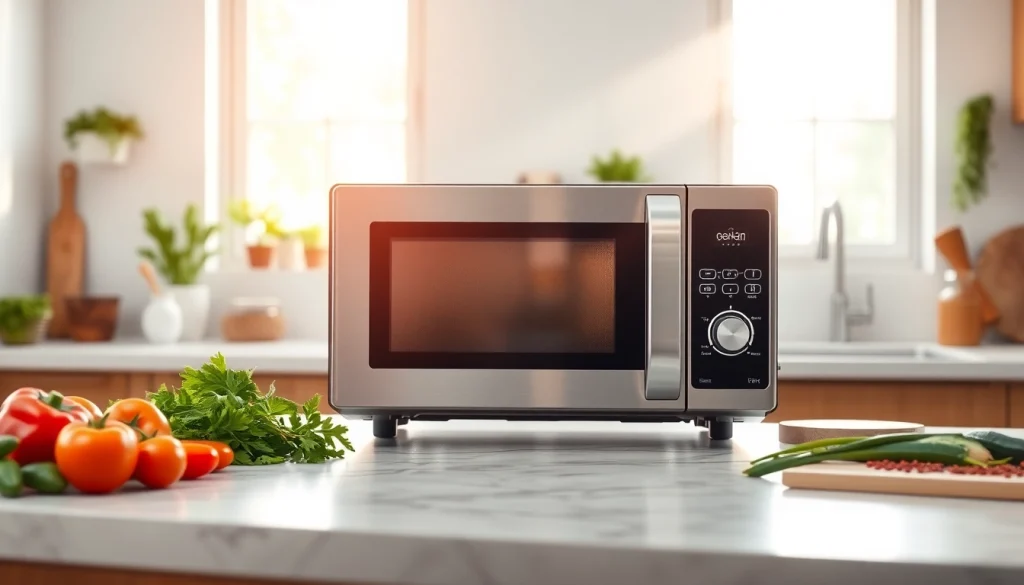
The Evolution of the Microwave Oven
History and Origins of Microwave Oven
The microwave oven, a staple in modern kitchens, originated from an accidental discovery. In the 1940s, Percy Spencer, an engineer at Raytheon, noticed that a chocolate bar in his pocket melted while he worked near a radar-related device. This serendipitous moment spurred the investigation into microwave cooking. By 1947, the first commercial microwave oven, the Radarange, was launched, dramatically changing cooking practices forever. Initially large and expensive, these units were primarily found in restaurants and commercial settings.
Technological Advancements Over the Years
Over the past several decades, the microwave oven has evolved significantly in form and function. The introduction of better magnetrons led to increased efficiency and power. By the 1970s, home cooking with microwave ovens became more common, thanks to price reductions and innovative designs. Modern microwave ovens now boast advanced features such as inverter technology for more consistent heating, sensor cooking, and even smart functionalities that allow for remote operation via smartphones.
Why Choose a Microwave Oven Today?
In today’s fast-paced world, the demand for efficient cooking solutions is paramount. Microwave ovens provide unparalleled convenience, allowing users to defrost, cook, or reheat meals in a fraction of the time it would take using traditional cooking methods. Additionally, a Microwave Oven retains the nutrients in food better than some conventional cooking methods, making them a healthy option. They also consume less energy, which can lead to lower utility bills and a smaller ecological footprint.
Types of Microwave Ovens
Countertop Microwave Oven Features
Countertop microwave ovens are versatile and user-friendly. These models are ideal for small kitchens or for those who require a temporary solution. They come in various sizes, typically ranging from 0.5 to 2.0 cubic feet. Features may include preset cooking modes, LCD displays for easy navigation, and various power levels, making them suitable for reheating leftovers or cooking new meals.
Built-in Microwave Ovens Explained
Built-in microwave ovens offer a sleek and integrated look in modern kitchens. Installed within cabinetry, they are designed to complement other kitchen appliances. These units often come with advanced features, including convection capabilities, which allow for baking and roasting. However, installation may require professional assistance, which can increase overall costs.
Over-the-Range Microwave Ovens Advantages
Over-the-range microwaves double as range hoods, saving space while enhancing functionality. They are a smart choice for homes with limited kitchen space. These models typically come equipped with ventilation systems to eliminate smoke and odors, making cooking a more pleasurable experience. Their design provides easy access to often unused wall space, maximizing kitchen efficiency.
Key Features to Consider
Cooking Power and Performance
The cooking power of a microwave oven typically ranges from 600 to 1,200 watts. Higher wattage means quicker cooking times and more effective heating. Consider your cooking habits; for daily reheating and defrosting, 800-900 watts may suffice, whereas avid cooks may prefer 1,000 watts or higher for better performance and speed.
Size and Capacity Proportions
Size matters when selecting a microwave oven. Consider the dimensions and the capacity that will best fit your requirements. Standard countertop models generally range from 1.5 to 2.2 cubic feet. Ensure that your chosen model can accommodate the largest dish you plan to cook, such as large casseroles or pizzas. Also, evaluate whether you have enough counter or cabinet space for installation.
Smart Features: Do You Need Them?
Smart microwave ovens come equipped with Wi-Fi connectivity, allowing users to control them remotely or integrate them into smart home systems. Features may include personalized cooking prompts or recipe suggestions. While these innovations are appealing, assess whether they’ll enhance your cooking experience or if they are simply an unnecessary added expense.
Cooking Techniques with Your Microwave Oven
Defrosting vs. Cooking: Best Practices
Defrosting food in a microwave oven is efficient but requires caution. Use the defrost setting to ensure even thawing, as some areas may begin to cook while others remain frozen. For best results, turn and rearrange foods halfway through the defrosting process. Avoid defrosting meats in the microwave if you plan to refreeze them, as this can lead to bacterial growth.
How to Bake and Roast in a Microwave Oven
While baking and roasting may not be the primary use for a microwave oven, many modern models come with convection functions that allow for these techniques. Use microwave-safe bakeware and ensure even distribution of heat by stirring or rotating dishes during cooking times. Experiment with different recipes tailored for microwaves to discover the potential of this versatile appliance.
Creative Recipes to Try
There’s a myriad of recipes you can create using a microwave oven, from mug cakes to poached eggs. Try a mug omelet by whisking eggs, adding diced vegetables, and microwaving for about two minutes. For dessert, prepare a chocolate lava cake in a cup, which can be made in a fraction of the time it takes in a conventional oven. Experimenting with microwave recipes can lead to unexpected delights.
Maintaining Your Microwave Oven
Cleaning and Care Tips
Keeping your microwave oven clean enhances its lifespan and performance. Regularly wipe down the interior with a damp cloth and a mild detergent to prevent the build-up of grease and food particles. For tough stains, microwave a bowl of water with lemon slices to create steam that loosens grime. Allow it to cool before wiping down again for a sparkling finish.
Troubleshooting Common Issues
Common issues with microwave ovens include uneven cooking, strange noises, or failure to start. Uneven cooking can often be resolved by rearranging food items regularly during cooking. If the microwave won’t start, check the power source and ensure the door closes properly. For strange noises, inspect for loose parts or foreign objects in the cavity.
Longevity and Warranty Information
The longevity of a microwave oven typically ranges from 5 to 10 years, depending on usage and maintenance. Manufacturers generally offer warranties ranging from one to three years. It’s advisable to understand the warranty coverage and ensure you register your product post-purchase for any claims in the future, ensuring peace of mind for the years to come.
FAQs
What is the best wattage for a microwave oven?
For general use, a microwave oven with 800 to 1,000 watts is ideal. Higher wattages provide faster cooking times, which is beneficial for busy kitchens.
Can I use metal containers in a microwave oven?
No, metal containers can cause sparks and fires in microwave ovens. Always use microwave-safe glass or ceramic dishes.
How do I prevent odors in my microwave oven?
Regular cleaning and using lemon or vinegar solutions can help neutralize odors. Leaving a bowl of baking soda inside can also absorb unwanted smells.
Is it safe to microwave eggs in their shell?
No, microwaving eggs in their shell can lead to explosions. Always crack them open into a microwave-safe bowl.
How often should I clean my microwave oven?
It’s wise to clean your microwave oven weekly for optimal performance. Heavy use may require more frequent cleaning to prevent buildup of food particles.