Managing Stress and Anxiety With Practical Daily Habits
Managing stress and anxiety has become one of the most important challenges of modern life. School pressure, work deadlines, financial worries, family responsibilities, and constant digital exposure can slowly build tension in the mind and body. At Calm Minds Hub, we believe that understanding Stress and anxiety and learning how to manage them through practical daily habits can make a real difference. This article explains stress and anxiety in clear, simple language and offers evidence-based habits you can apply every day to feel calmer, stronger, and more balanced.
Understanding Stress and Anxiety in Everyday Life
Stress and anxiety are often talked about together, but they are not exactly the same. Stress usually comes from external pressures, such as exams, job demands, or relationship conflicts. Anxiety often continues even when the stressor is gone and is linked to ongoing worry, fear, or tension.
Stress and anxiety affect people of all ages. A student may feel stress before exams, while an adult may experience anxiety about job security or health. When stress and anxiety are not managed well, they can impact sleep, concentration, mood, and physical health.
Common signs of stress and anxiety include:
- Constant worrying or overthinking
- Feeling restless or on edge
- Trouble sleeping or frequent fatigue
- Headaches, muscle tension, or stomach issues
- Difficulty focusing or making decisions
Understanding these signs is the first step toward managing stress and anxiety more effectively.
Why Practical Daily Habits Matter for Stress and Anxiety
Many people look for quick fixes to stress and anxiety, such as avoiding problems or distracting themselves. While short breaks can help, long-term relief comes from daily habits that support mental and emotional health.
Daily habits work because they:
- Train the brain to respond calmly to challenges
- Reduce the physical effects of stress and anxiety on the body
- Create a sense of control and routine
- Build emotional resilience over time
Small actions, when practiced consistently, can lead to big improvements in how you handle stress and anxiety.
How Stress and Anxiety Affect the Body and Mind
Stress and anxiety trigger the body’s natural “fight or flight” response. This response is helpful in emergencies, but when it stays active for too long, it can cause problems.
Effects of long-term stress and anxiety include:
- Increased heart rate and blood pressure
- Weakened immune system
- Digestive problems
- Memory and concentration difficulties
- Emotional exhaustion
Imagine your body like a car engine. Stress and anxiety are like revving the engine constantly. Without rest and proper care, the engine overheats. Daily habits help slow the engine down and restore balance.
Morning Habits to Reduce Stress and Anxiety
How you start your day can set the tone for how you handle stress and anxiety.
Creating a Calm Morning Routine
A calm morning routine does not need to be long or complicated. Even 15 to 30 minutes can make a difference.
Helpful morning habits include:
- Waking up at the same time each day
- Avoiding phones or social media for the first 30 minutes
- Stretching or gentle movement
- Taking a few deep breaths
These habits help signal to your brain that the day is starting in a safe and controlled way.
Mindful Breathing to Manage Stress and Anxiety
Breathing exercises are one of the simplest ways to manage stress and anxiety.
A simple breathing method:
- Inhale slowly through your nose for four seconds
- Hold your breath for two seconds
- Exhale gently through your mouth for six seconds
- Repeat for five minutes
This type of breathing calms the nervous system and reduces anxious thoughts.
Healthy Eating Habits That Support Emotional Balance
What you eat can influence how you feel emotionally. While food is not a cure, healthy eating habits support better stress and anxiety management.
Foods that support calmness include:
- Whole grains like oats and brown rice
- Fruits and vegetables rich in vitamins
- Lean proteins such as eggs, beans, and fish
- Nuts and seeds for healthy fats
Avoiding too much caffeine, sugar, and processed foods can also help reduce stress and anxiety symptoms.
Physical Activity as a Tool for Managing Stress and Anxiety
Exercise is a powerful and natural way to manage stress and anxiety. It releases chemicals in the brain that improve mood and reduce tension.
Simple Ways to Stay Active Daily
You do not need intense workouts to benefit from movement.
Effective options include:
- Walking for 20 to 30 minutes
- Light jogging or cycling
- Yoga or stretching
- Dancing to your favorite music
For example, a person who feels anxious after work may notice that a short walk helps clear their mind and release stress.
Building Emotional Awareness to Reduce Stress and Anxiety
Emotional awareness means recognizing and understanding your feelings without judging yourself.
Journaling for Stress and Anxiety Relief
Writing down thoughts and emotions can help organize the mind.
A simple journaling habit:
- Write for 5 to 10 minutes each evening
- Describe what caused stress and anxiety that day
- Note how you responded emotionally
- Write one positive thing you did for yourself
This habit helps identify patterns and reduces emotional overload.
Managing Stress and Anxiety Through Healthy Thinking
Negative thought patterns can increase stress and anxiety. Learning to challenge these thoughts can bring relief.
Reframing Anxious Thoughts
Reframing means looking at a situation in a more balanced way.
Example:
- Anxious thought: “I will fail this test and disappoint everyone.”
- Reframed thought: “I have prepared, and one test does not define my worth.”
This shift reduces pressure and promotes healthier thinking.
The Role of Sleep in Stress and Anxiety Management
Poor sleep and stress and anxiety often create a cycle. Anxiety makes it hard to sleep, and lack of sleep increases anxiety.
Improving Sleep Habits
Helpful sleep habits include:
- Going to bed and waking up at the same time
- Avoiding screens one hour before bed
- Keeping the bedroom quiet and dark
- Practicing relaxation before sleep
Quality sleep allows the brain to recover and process emotions more effectively.
Managing Stress and Anxiety in Relationships
Relationships can either reduce or increase stress and anxiety.
Healthy Communication Habits
Open communication helps prevent misunderstandings and emotional buildup.
Key habits include:
- Expressing feelings calmly
- Listening without interrupting
- Setting clear boundaries
- Asking for support when needed
For example, sharing worries with a trusted friend can lighten emotional weight and reduce anxiety.
Digital Habits That Influence Stress and Anxiety
Constant digital exposure can increase stress and anxiety without us realizing it.
Creating Healthy Screen Boundaries
Helpful digital habits include:
- Limiting social media time
- Avoiding negative or overwhelming content
- Taking regular screen breaks
- Turning off unnecessary notifications
Reducing digital overload allows the mind to rest and focus.
Using Relaxation Techniques to Manage Stress and Anxiety
Relaxation techniques help calm both the mind and body.
Effective techniques include:
- Progressive muscle relaxation
- Guided imagery
- Listening to calming music
- Practicing mindfulness meditation
Even 10 minutes a day can lower stress and anxiety levels over time.
Real-Life Example of Daily Habits Reducing Stress and Anxiety
Consider a college student who felt overwhelmed by exams and responsibilities. They experienced frequent stress and anxiety, poor sleep, and constant worry. By introducing simple daily habits such as morning breathing, evening walks, reduced caffeine, and journaling, they noticed gradual improvement. Their anxiety became more manageable, and they felt more in control of their emotions.
This example shows how small, consistent changes can lead to meaningful results.
Building Consistency With Daily Habits
Consistency matters more than perfection when managing stress and anxiety.
Tips for staying consistent:
- Start with one or two habits
- Set realistic goals
- Track progress weekly
- Be patient with yourself
Progress may feel slow at first, but steady effort brings lasting change.
When to Seek Professional Help for Stress and Anxiety
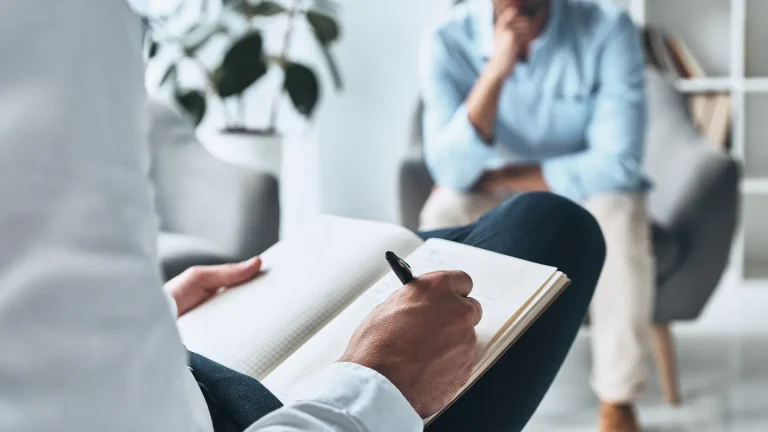
Daily habits are helpful, but sometimes professional support is necessary.
Consider seeking help if:
- Stress and anxiety interfere with daily life
- Symptoms last for several months
- You experience panic attacks or constant fear
- You feel hopeless or overwhelmed
At Calm Minds Hub, we encourage combining self-care habits with professional guidance when needed.
Long-Term Benefits of Managing Stress and Anxiety
Learning to manage stress and anxiety improves overall quality of life.
Long-term benefits include:
- Better emotional control
- Improved physical health
- Stronger relationships
- Higher confidence and resilience
Managing stress and anxiety is not about removing challenges but learning to handle them with strength and calm.
Conclusion
Managing stress and anxiety with practical daily habits is a realistic and effective approach to emotional wellness. By understanding stress and anxiety, building healthy routines, improving sleep, staying active, and practicing mindful thinking, you can create lasting balance in your life. Calm Minds Hub is committed to providing simple, evidence-based guidance to help you manage stress and anxiety with kindness, patience, and understanding. Small daily habits, practiced consistently, can lead to meaningful and long-lasting change. If you enjoy our blogs, you’ll love what we’ve built on our homepage.
FAQs
What is the difference between stress and anxiety?
Stress usually comes from external pressures and often fades when the situation improves. Anxiety tends to last longer and involves ongoing worry or fear, even without a clear cause.
How long does it take to see results from daily habits?
Results vary for each person. Some people notice small improvements within a few weeks, while others may need a few months of consistent practice to feel significant changes in stress and anxiety levels.
Can daily habits replace professional treatment for stress and anxiety?
Daily habits are very helpful but may not replace professional treatment for everyone. For moderate to severe stress and anxiety, combining daily habits with professional support often works best.
About the Author