
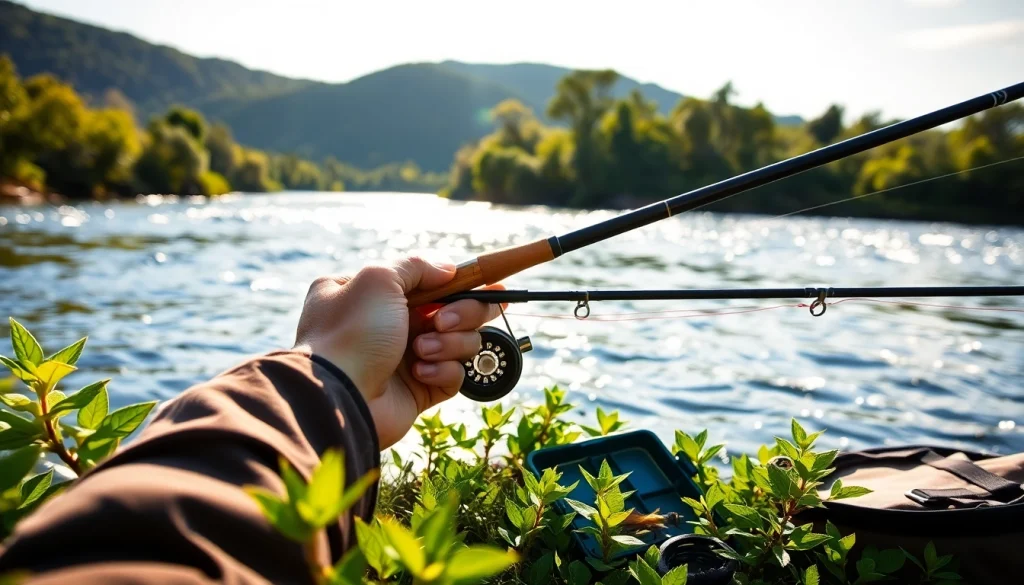
Understanding Fly Fishing Combos
What is a Fly Fishing Combo?
A fly fishing combo is a complete set of equipment designed to equip new and seasoned anglers with everything they need for fly fishing. Typically, a combo includes a fly rod, fly reel, line, and often some essential accessories like a leader line or flies. For someone starting out, it eliminates the confusion of selecting individual components, making the introduction to fly fishing more accessible. These combos are tailored to various fishing situations, ensuring that anglers can target different species in diverse environments. Discovering the right fly fishing combo suited to your needs can elevate your fishing experience significantly.
Components of a Fly Fishing Combo
Understanding the components of a fly fishing combo is crucial for choosing the right one. A typical fly fishing combo consists of:
- Fly Rod: The backbone of the combo, the fly rod is usually made from materials like graphite or fiberglass. Its length and action (which describes how much the rod bends) should align with the type of fishing you’re doing.
- Fly Reel: This component stores the fishing line and provides the mechanism for retrieving line when a fish is hooked. Reels can vary significantly in quality and price.
- Fly Line: Unlike traditional fishing lines, fly lines are heavier, enabling them to cast the lightweight flies. They come in different types and weights depending on the fishing scenario.
- Leader Line: Attached to the end of the fly line, the leader line is often transparent and allows for a smooth transition to the fly. It is crucial for delivering the fly without spooking fish.
- Flies: The actual bait used for catching fish, flies can be dry, wet, or streamers and are designed to mimic the insect life or bait fish in a given water body.
Benefits of Using a Combo Set
Choosing a fly fishing combo offers several advantages:
- Simplicity: Combos are ideally packaged together, making them easier for beginners to navigate the complexities of fly fishing.
- Cost-Effective: Purchasing a combo often comes at a better value than buying each component separately.
- Compatibility: All components in a combo are designed to work well together, reducing the risk of mismatched gear.
- Convenience: Combos typically come with essential accessories, so you can get started with minimal additional purchases.
Factors to Consider When Choosing a Fly Fishing Combo
Skill Level and Experience
Your skill level plays a significant role in determining which fly fishing combo is right for you. Beginners often need more forgiving gear, whereas experienced anglers can handle specialty rods and reels that offer enhanced performance. Look for outfits specifically marketed toward beginners, as they usually come with easier-to-use tools and setups.
Target Species and Water Conditions
Identifying the species you wish to target will guide your choice in selecting a combination. Different fish require different casting techniques and tackle setups. For instance, trout rivers might need a lightweight setup, while bass fishing in a larger lake may require a heavier, more robust combo. You should also consider the water conditions, such as whether you will be fishing in moving water like rivers or still water environments such as lakes.
Budget and Quality Considerations
Your budget will largely dictate the quality and performance of the combo you can afford. Entry-level combos can start as low as $50, while high-end options can cost several hundred dollars. Investing in a quality combo can enhance your fishing experience and longevity of your gear. However, there are numerous mid-range options that offer excellent quality without breaking the bank.
The Best Fly Fishing Combos on the Market
Top Brands and Their Offerings
Several brands have established themselves as leaders in the fly fishing market, providing quality combos that cater to various skill levels:
- Orvis: Known for high-quality gear, Orvis offers a range of fly fishing combos suitable for different experience levels, focusing on performance and durability.
- Redington: Offering affordable yet reliable fly rods and reels, Redington is an excellent choice for beginners looking for a versatile combo.
- Scientific Anglers: Specializing in fly lines, this brand offers combos that maximize the performance of their fishing lines, making them effective for seasoned anglers.
- Pflueger: Known for exceptional value, Pflueger’s combos are ideal for entry-level anglers who want intrigue in their first fishing experience without overspending.
Comparing Features and Prices
When comparing fly fishing combos, consider key features like rod length, line weight, reel quality, and extra accessories. For instance, a combo that includes a rod with a quick-dry fabric carrying case is a great bonus for transport. Pricing can vary drastically based on these features, and while it’s tempting to go for the cheapest option, finding a balance between quality and affordability is key to a good long-term investment.
User Reviews and Expert Ratings
Customer feedback can provide invaluable insights into how a fly fishing combo performs in real-world situations. Sites like Amazon, dedicated fishing forums, and brand websites often showcase user reviews. Moreover, product reviews from fishing magazines or expert blogs can help you discern the pros and cons of each model. Look for patterns in these reviews to guide your choices—common praises or complaints can highlight the combo’s strengths and weaknesses effectively.
Maintenance Tips for Your Fly Fishing Combo
Cleaning and Caring for Equipment
Routine maintenance ensures that your fly fishing combo lasts longer and performs better. Here’s how to care for the various components:
- Fly Rod: After each use, rinsing the rod with freshwater to remove salt and dirt can prevent corrosion.
- Fly Reel: Regularly check and clean the reel’s drag system and replace the backing line as needed. Lubricate with reel oil as per manufacturer instructions.
- Fly Line: Clean your fly line with specialized cleaning products or mild soap to remove grime and prolong its lifespan.
Storage Practices for Longevity
How you store your fly fishing combo can significantly impact its longevity. Here are tips for effective storage:
- Store your fly rod in a protective case to prevent bends or breaks. Avoid leaving it in hot cars or direct sunlight.
- Keep reels in a dry place and consider using rust inhibitors for the reel’s internal components.
- For fly lines, use line spools to keep them tidy and avoid tangling.
Common Repairs and Troubleshooting
Even with the best care, wear and damage can occur. Some common issues and how to tackle them include:
- Frayed or Damaged Line: Regularly inspect your lines for damage. If you find frays, cut the affected part and retie your leader.
- Sticking Reel: If the reel’s drag is not functioning smoothly, it may need cleaning or lubrication.
- Broken Rod: Most manufacturers offer repair services for damaged rods; however, having a backup rod for emergencies is always wise.
Advanced Techniques for Using Fly Fishing Combos
Improving Casting Skills
Mastering casting techniques is essential for an effective fly fishing experience. Anglers should practice various casting styles, including:
- Roll Cast: Ideal for tight spots where backcasting is limited, this technique allows the fly line to roll off the water’s surface effectively.
- Double Haul: A technique that involves pulling on the line during a cast, generating more line speed and distance.
- Sidearm Cast: Useful for fishing in windy conditions and maintaining a low profile to avoid spooking fish.
Specific Techniques for Different Waters
Different water types dictate unique strategies for successful fly fishing. In still water, for instance, focus on presenting your fly as naturally as possible near the surface. In rivers, understanding currents will allow you to effectively place your fly where fish are likely to be feeding.
Strategies for Catching Various Fish Species
When targeting specific fish species, consider adapting your approach:
- Trout: Use smaller dry flies or nymphs, particularly in spring and fall when they are near the surface.
- Bass: Larger streamers and poppers can attract bass, especially during warmer months when they are more active.
- Pike and Muskie: Use large, flashy flies that mimic baitfish. Focus on casting near vegetation or structures where these predators hunt.