
Unraveling Secrets of Pyraminds: Insights into Ancient Wonders
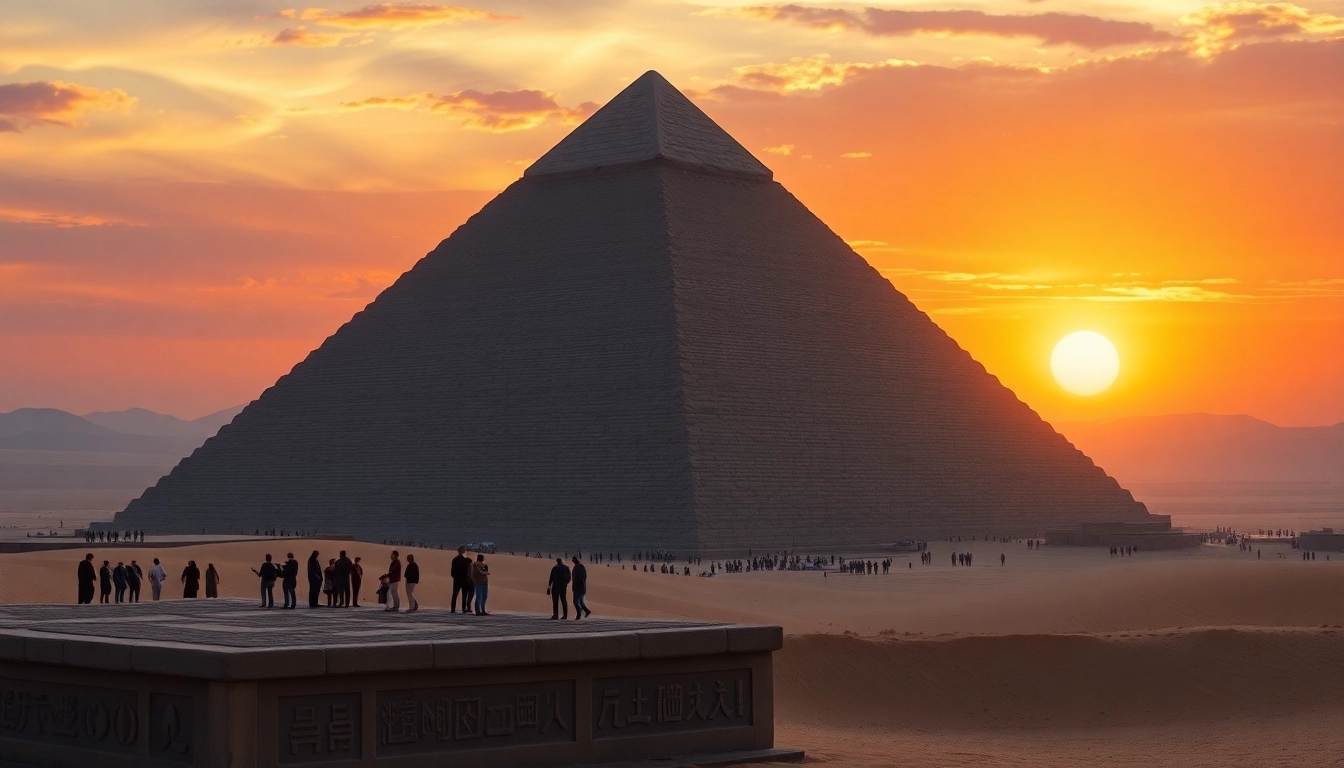
The piraminds stand as one of the most iconic symbols of ancient civilization, representing not only theological beliefs but also the engineering innovations of their time. These grand structures have fascinated historians, architects, and travelers for centuries. The examination of pyramids combines insights into their historical context, architectural brilliance, cultural symbolism, and the human ingenuity behind their construction. This article delves into the multifaceted significance of pyramids, focusing on their role in ancient Egypt, engineering marvels, cultural myths, and present-day relevance as major attractions.
Understanding the Significance of Pyraminds
The Role of Pyraminds in Ancient Egypt
Pyramids were predominantly constructed as tombs for pharaohs and significant figures in ancient Egypt, adhering to their strong belief in the afterlife. The meticulous design and construction were integral to ensuring that the deceased would ascend to the heavens and achieve immortality. The most famous, the Great Pyramid of Giza, was built for Pharaoh Khufu and was part of a larger complex that included temples, smaller pyramids for queens, and other significant structures. Each pyramid was a reflection of the societal hierarchy and power dynamics, serving both as a symbol of divine rule and a tangible connection to the gods.
Symbolism and Architecture of Pyraminds
Architecturally, pyramids symbolize the pharaoh’s journey to the underworld and the divine. Their triangular shape may represent the rays of the sun, a key connection to Ra, the sun god. The construction of pyramids involved precise astronomical alignments and was often complemented by inscriptions that reflected the religious and mythological underpinnings of Egyptian culture. The intricate designs, including chambers and passageways, further signify the importance of these structures in burial rites and spiritual journeys.
The Influence of Pyraminds on Modern Culture
Pyramids have transcended their historical context to influence various aspects of contemporary culture. From literature and films to art and popular music, the mystique of pyramids reverberates throughout human creativity. They serve as metaphors for resilience, mystery, and power, inspiring countless works that delve into themes of exploration and the unknown. Their architectural brilliance continues to influence modern buildings, symbolizing the intersection of aesthetics, function, and spiritual significance.
The Engineering Marvels Behind Pyraminds
Key Construction Techniques Used
The construction of pyramids is a testament to ancient engineering prowess. Techniques such as the use of a surveyor’s level and meticulous measurements ensured structural integrity and alignment. Moreover, the labor force employed was well-organized, featuring skilled workers, craftsmen, and laborers, who likely worked in collaborative teams, moving massive limestone blocks from quarries to the construction site utilizing sleds and lubricated surfaces to reduce friction. Innovations such as ramps and levers facilitated lifting and positioning the heavy stones.
Tools and Materials Employed in Building Pyraminds
The materials used in pyramid construction were predominantly local, including limestone, granite, and basalt. The largest blocks came from quarries nearby, while smaller stones were used for interior chambers. Tools were both rudimentary and advanced for the time, including copper chisels, stone hammers, and wooden sledges. Techniques evolved based on ongoing assessments of effectiveness, demonstrating the Egyptians’ commitment to efficiency.
Theories on Labor and Workforce Organization
Contrary to popular belief, the labor force involved in building the pyramids was not composed of slaves but of skilled laborers who were likely compensated for their work. Researchers propose that a rotational workforce was employed, which allowed workers to sustain agricultural livelihoods and contribute to construction without sacrificing their primary sources of sustenance. This organization reflects advanced understandings of labor management and resource allocation.
Exploring the Mysteries and Myths of Pyraminds
Common Misconceptions About Pyraminds
Many myths surround the construction and purpose of pyramids, often mired in speculation. A prominent misconception is that they were built solely by slaves. Recent archaeological findings dispel this notion, revealing that skilled workers formed teams to fulfill specific tasks. Another myth is the idea of caps or treasures hidden within pyramids; in actuality, most pyramids were stripped of their treasures long ago, often by tomb robbers.
Theories on Hidden Chambers and Passages
Explorations continue to reveal the intricate design of pyramids, including hidden chambers and passages that have yet to be fully understood. Advanced technologies, such as muon tomography, have unveiled voids within the Great Pyramid that suggest complex internal structures. Theories speculate about their purposes, ranging from storage facilities to undiscovered burial chambers, pointing to the enduring mysteries that fuel archaeological research.
Mythological Significance of Pyraminds in Egyptian Lore
Pyramids are deeply woven into the mythological fabric of ancient Egyptian culture. They embody the principles of the afterlife and resurrection, as documented in texts such as the Pyramid Texts. These inscriptions provided guidance for the deceased, ensuring safe passage in the afterlife. Moreover, their alignment with celestial bodies underscored the Egyptians’ belief in the importance of the cosmos in relation to their existence and spirituality.
Pyraminds as Tourist Attractions Today
Major Pyramind Sites and Their Features
Pyramids, particularly those on the Giza plateau, remain significant tourist attractions, drawing millions annually. Sites include the Great Pyramid of Giza, the Pyramid of Khafre, and the Pyramid of Menkaure, each boasting unique features and historical narratives. The nearby Great Sphinx, with its human head and lion’s body, complements the pyramids, creating a captivating archaeological ensemble that mesmerizes visitors from around the world.
Visitor Experience and Preservation Efforts
Visitor experiences at pyramid sites are designed to educate and engage. Guided tours often include insights into the architectural details, historical significance, and roles of the pyramids. Increased foot traffic has led to preservation challenges, prompting authorities to implement conservation strategies, including regulations on visitor access and ongoing archaeological studies. These efforts aim to safeguard these timeless structures for future generations.
How Pyraminds Shape Tourism in Egypt
The economic impact of pyramids on tourism in Egypt cannot be overstated. They serve as a cultural heritage resource, forging connections between the past and present. Local economies benefit from increased tourism revenue, encouraging investments in infrastructure and related businesses. Moreover, the ongoing discoveries related to pyramids put Egypt at the forefront of archaeological tourism, attracting scholars and enthusiasts worldwide.
FAQs About Pyraminds
What were the primary purposes of the Egyptian pyramids?
The pyramids primarily served as tombs for pharaohs, reflecting their significance in the afterlife and their connection to divine rulership.
How were the pyramids constructed?
Pyramids were built using limestone blocks through organized labor, basic tools, and sophisticated engineering techniques, ensuring stability and alignment.
Are there any hidden chambers within the pyramids?
Yes, studies suggest hidden chambers exist within many pyramids. Recent techniques are uncovering passages yet to be explored.
What is the significance of hieroglyphs found in the pyramids?
Hieroglyphs provide insights into ancient Egyptian beliefs and rituals, acting as crucial historical records tied to the religious practices of the time.
How can I visit the pyramids?
Visitors can access pyramids through guided tours, with various options available for exploring these historically rich sites.